
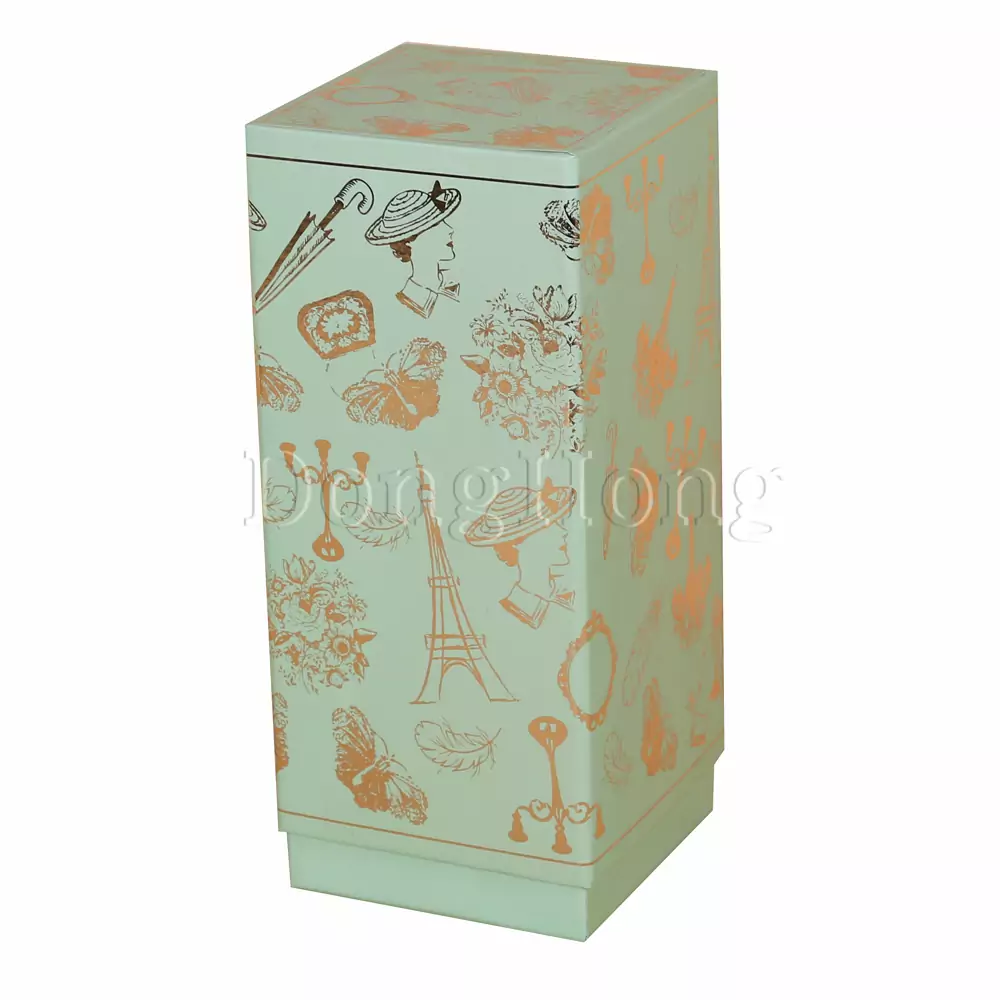
Sustainable / DH9062
Upmarket Lid-off Wine Boxes with Cardboard Insert
Mounted from art paper and rigid cardboard materials |Ideal...
ReadCustom cigarette boxes made easy—structure, sizing, materials, finishes, sampling & QC for stable mass production..

Most packaging problems don’t come from creativity—they come from missing specs, unclear compliance space, weak tolerance control, and sampling that doesn’t predict mass production.
This guide shows B2B buyers how to build a cigarette box that is quote-ready, compliance-aware, and production-stable.
If you’re sourcing custom cigarette box packaging, the goal is not only “premium-looking.” The goal is retail-ready performance: correct fit, consistent finishing, scuff-resistant packing, and predictable lead time.
Below is a practical blueprint used by professional buyers to avoid the most expensive mistakes.
Positioning determines your optimal structure, paper grade, finishing scope, and the tolerance level required to keep mass production stable. Buyers who start with artwork often end up redesigning once compliance zones and production feasibility are reviewed.

2) Lock the Structure
Structure drives user experience, protection level, assembly time, and defect risk. Choose based on how the pack will be used and shipped—not only how it looks on a render.
Scalable and familiar in retail
Strong cost-to-performance ratio
Lower defect risk for first launches
Premium unboxing experience
Tighter tolerance required
More QC attention on friction & alignment
Highest perceived value for gifting
Higher material + assembly cost
Strict finish protection needed in packing
Classic shelf style for certain markets
Fit control is critical (slide friction)
Strong storytelling potential with paper texture
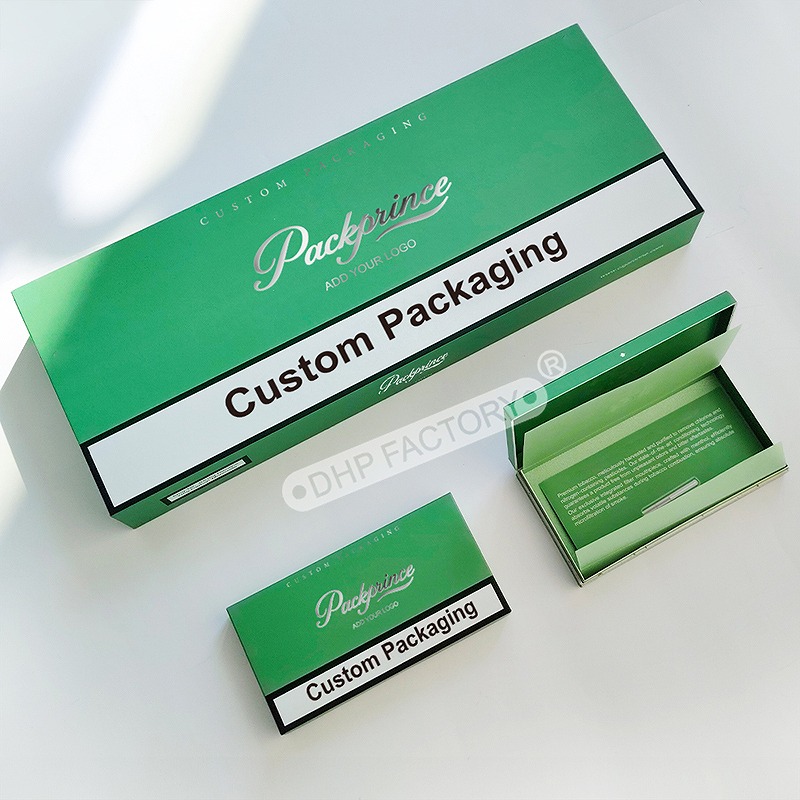
“Almost correct” dimensions create movement, deformation, hard opening, and production rejects. Professional sizing starts from the real product, not a template.
Stick length + diameter
Filter length
Sticks per pack + stacking layout
Inner wrap thickness
Humidity tolerance (minor expansion)
Opening feel target (tight vs smooth)
Barcode/trace placement needs
Retail tray compatibility (optional)

Paper choices affect premium feel, scratch resistance, fold cracking risk, and color stability. For cigarette packaging, material selection should align with handling intensity and shipping route.
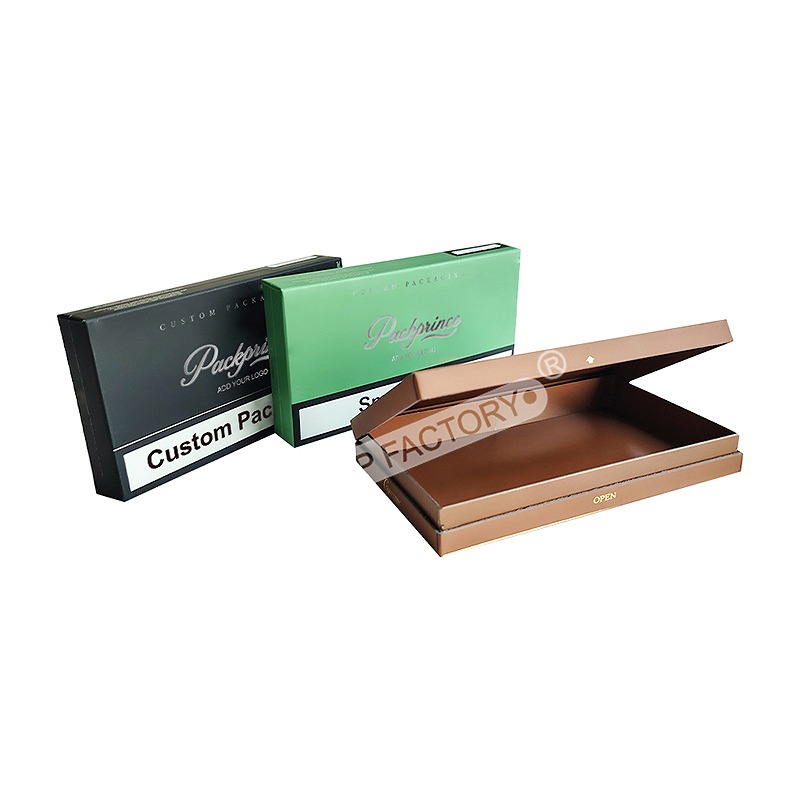
Finishes create premium perception, but they also introduce defect variables. Professional buyers plan finishes with risk control: limited scope, stable adhesion, and strong surface protection.
Foil stamping (metallic / holographic)
Emboss / deboss (tactile signature)
Spot UV (controlled highlight)
Matte / soft-touch lamination
One hero finish (foil OR emboss)
Keep negative space for a luxury feel
Limit foil area to reduce cracking risk
Use anti-scuff surface protection
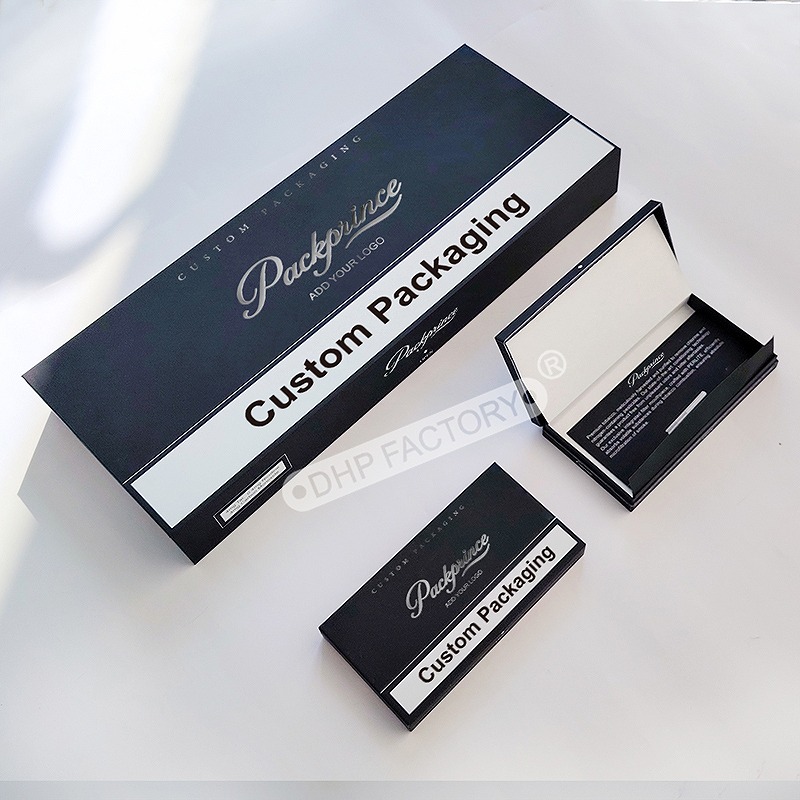
Markets may require warning text/images, placement rules, and restrictions on claims. These requirements can reshape your design grid. Plan legal space early to avoid last-minute re-layout.
Confirm target market(s) before final artwork
Reserve compliance zones in the dieline grid
Keep brand balance—don’t “design then patch”
Approve a compliance-ready proof before print
Sampling is where buyers protect budget and timeline. A sample should verify the exact risk points that typically fail in mass production: alignment, adhesion, scuff resistance, and opening performance.
Quality control is not only inspection—it's agreement on acceptance standards. Premium cigarette packaging often fails not in production, but in packing and transit scuffing.
Dimension tolerance consistency
Opening performance (smoothness, resistance)
Corner alignment & edge crispness
Color tolerance control
Foil/UV adhesion (no cracking/flaking)
Emboss registration consistency
Anti-scuff packing method
Carton strength for shipping stability
Quotes become fast and accurate when structure, dimensions, materials, finishes, and quantity are locked. Most cost increases come from complex structures, large foil areas, specialty papers, and repeated revisions.
Structure complexity (drawer/magnet > flip-top)
Material grade (specialty paper, thicker board)
Finishing scope (foil area, multi-step processes)
Order quantity (unit cost decreases with volume)
Packing protection (anti-scuff methods)
Revision cycles (compliance/layout changes)
Sampling: often 5–10 working days
Mass production: commonly 20–35 working days
Shipping: varies by destination & method
Box structure (or reference photo)
Cigarette format + sticks per pack
Target dimensions or cigarette sample details
Target market(s) for compliance planning
Material preference (standard vs premium)
Finishes (foil/UV/emboss/lamination)
Quantity + delivery deadline
Artwork status (ready / in progress / need support)
Packing requirements (anti-scuff, carton specs)
Anti-counterfeit needs (optional)
Send your format, target market, positioning, and quantity. DHPFactory will recommend a packaging direction (structure + sizing approach + materials + finishes + sampling roadmap) aligned to your risk and timeline.






Our engineers can help you transition to sustainable materials without compromising on luxury.
Get a Free Quote
Mounted from art paper and rigid cardboard materials |Ideal...
Read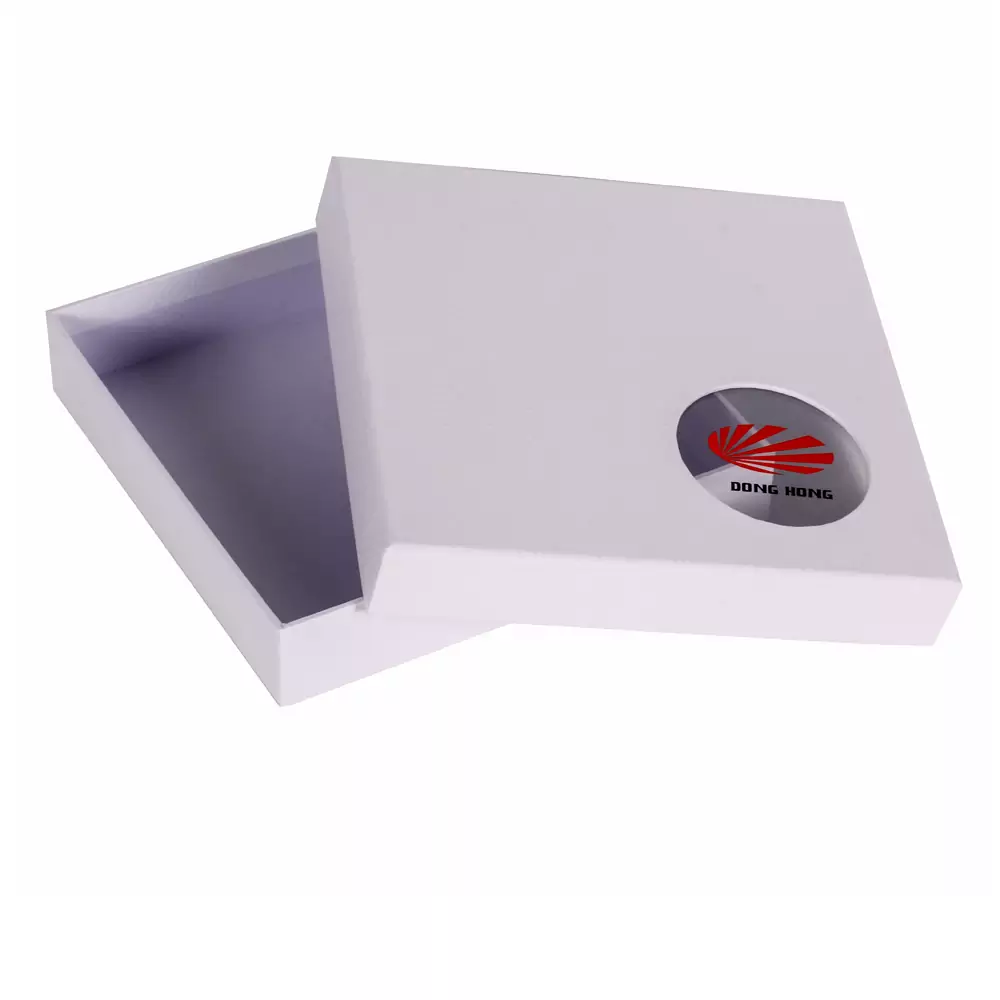
Interesting design printing| Crafted from fancy paper| Cus...
Read
Interesting design finishing|Crafted from red fancy paper|Ad...
ReadShare your specs or design files in minutes — we’ll reply within 24 hours with a clear quote, recommended materials, and feasible finishes.
Prefer email? Reach us at mkt@dhpfactory.com.