
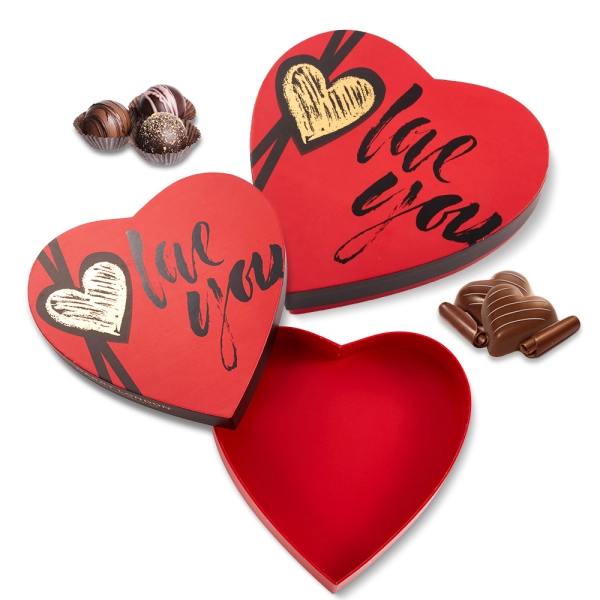
Luxury & Premium / DHP-3036
Heart Shaped Rigid Chocolate Box with Plastic Tray Insert
Rigid Cardboard Heart Shaped Chocolate Box|with Plastic Tray...
ReadDiscover how premium brands evolve from traditional foil stamping to advanced photolithography on custom packaging boxes for 3D visual depth and supply chain security..

Table of Contents
1. The Evolution of Luxury: Why Static Foil Stamping is No Longer Enough
2. What is Photolithography Packaging? The Science of Micro-Structure Grating
3. Three Strategic Pillars: Why Elite Brands Shift to Lithographic Custom Packaging
4. Traditional Foil vs. Photolithographic Finish: A Comprehensive B2B Comparison
5. Overcoming Mass Production Barriers: The DHP Factory Advantage
6. Conclusion: Elevate Your Multi-Sensory Packaging Strategy
In the ultra-competitive landscape of global retail, premium brands face an ongoing challenge: how to capture the discerning eye of consumer market segments instantly. For decades, conventional embellishments like classic gold and silver foil stamping served as the gold standard for projecting exclusivity on store shelves. However, as marketplace saturation strips traditional methods of their novelty, forward-thinking procurement directors are pivoting. Today, next-generation structural visual depth is achieved through advanced micro-optics and photolithography, altering the sensory boundaries of the modern custom packaging box.
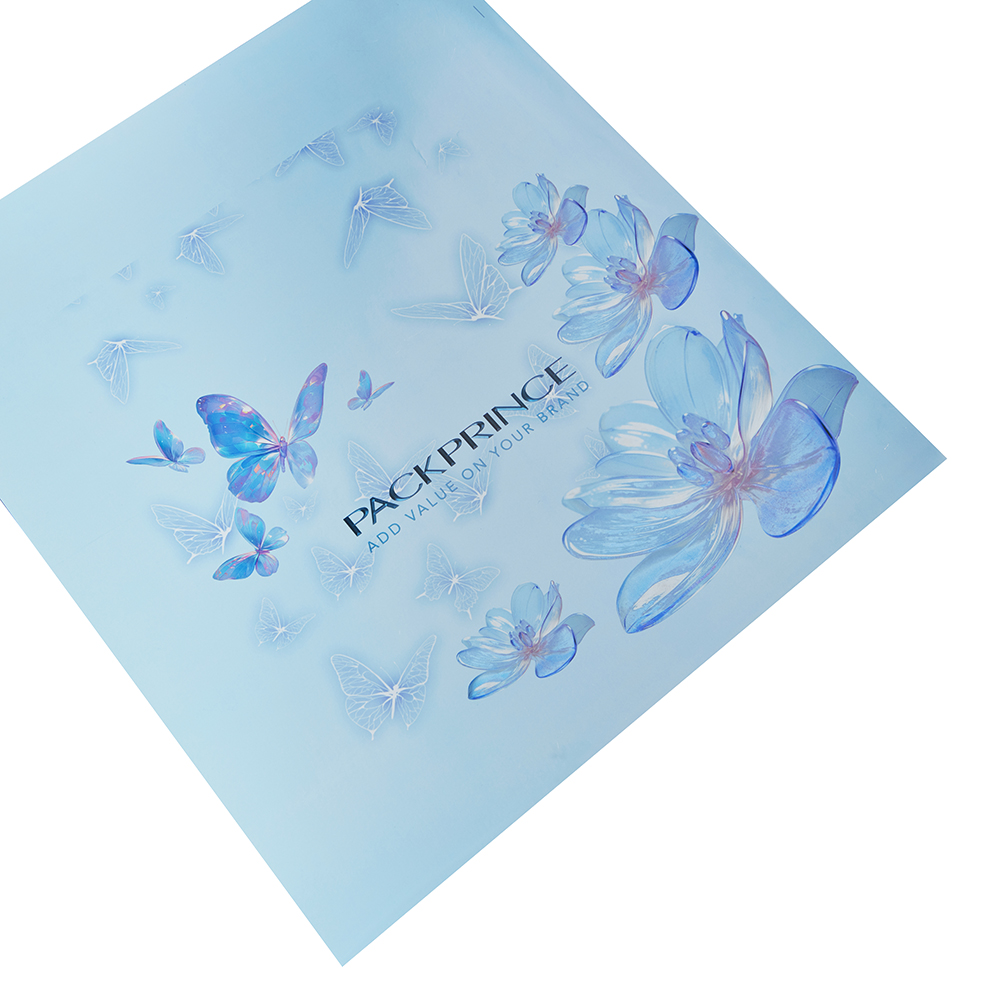
Traditional hot foil stamping undeniably introduces a touch of class to product exterior design. But when every mainstream cosmetics brand, high-end spirit distillery, and consumer electronics vendor implements identical metallic pigments, the differentiation factor drops dramatically. Static foils are inherently restricted by their flat, two-dimensional nature. They merely reflect ambient illumination in a single plane, missing the profound psychological impact required to justify ultra-premium price points.
Furthermore, sophisticated enterprise buyers realize that conventional decoration adds zero anti-counterfeiting security. In an era where online global marketplaces make look-alike goods rampant, high-value cosmetic lines and designer accessories require custom packaging boxes that integrate aesthetic brilliance directly with robust brand protection architecture. Micro-structure grating via lithographic methodologies fulfills this dual imperative, stepping in precisely where traditional foil decoration hits its creative and functional limitations.
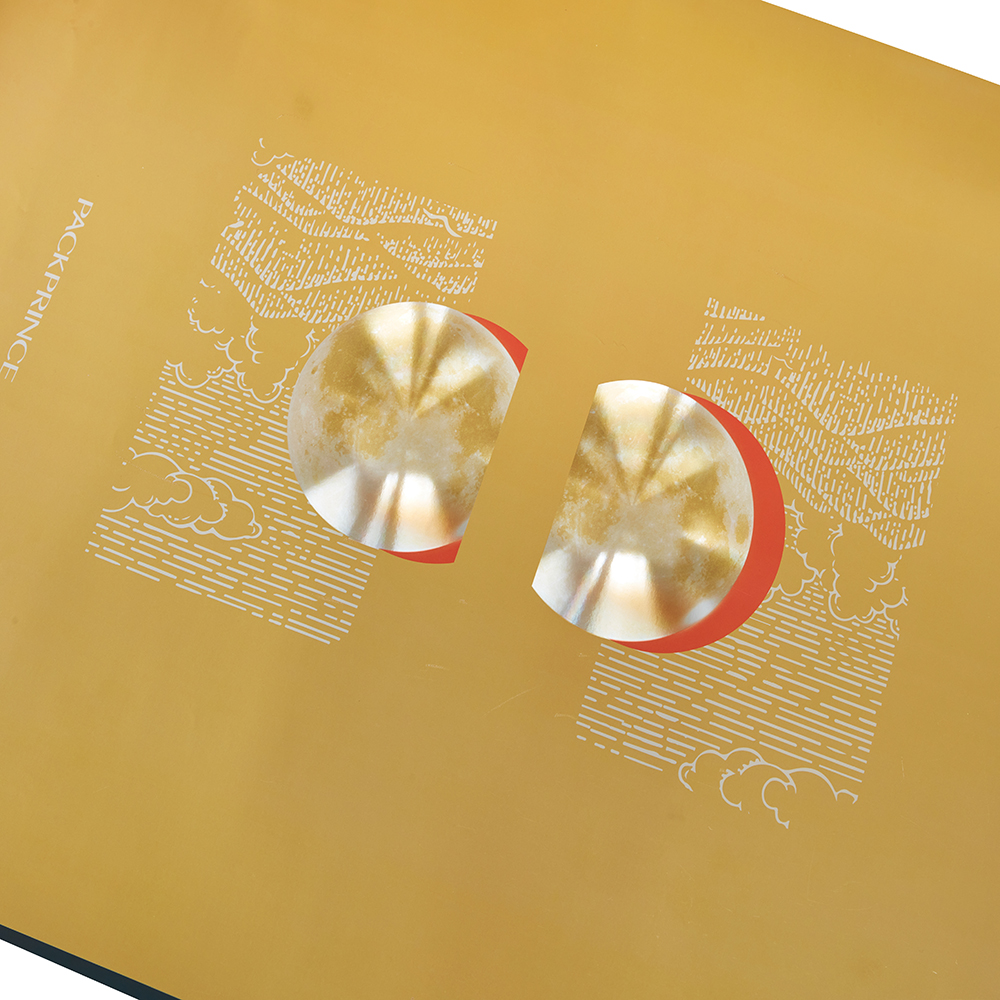
From an engineering perspective, applying photolithography to commercial box manufacturing involves transferring complex, micro-nanometer scale optical patterns directly onto structural packaging substrates. Instead of relying on a uniform layer of chemical inks or thin metallic film substrates, this mechanism utilizes high-precision laser beams to permanently engrave microscopic grating grids into specialized master plates.
When white ambient light encounters these custom micro-textures, it undergoes microscopic refraction and diffraction rather than basic superficial bouncing. The physical layout splits light waves into brilliant, fluid gradients, projecting simulated three-dimensional motion, depth shifts, and localized shifting textures. The visual canvas continuously morphs as a customer changes their physical viewing angle, creating an interactive optical spectacle derived completely from physical microstructures.
Modern consumer behavior studies indicate that product positioning is decided within a split-second window upon physical or optical contact. Lithographic surfaces generate multi-dimensional motion across the face of a custom packaging box, elevating it into a piece of digital-like physical art. The dynamic play of light mirrors high-end liquid textures or clean structural crystalline formations, creating powerful kinetic contrast alongside flat paperboards to optimize retail shelf conversions.
Because the creation of nano-grade optical plates demands substantial machinery infrastructure and precise mathematical calculation matrices, duplicating genuine lithographic finishes is exceptionally difficult for illicit operations. By embedding unique holographic and micro-grating security layers right into your rigid setup boxes or premium foldable display containers, your primary supply chain obtains built-in defensive barriers that unauthorized operations cannot replicate with basic commercial machinery.
Global sustainability mandates oblige corporate teams to actively minimize plastic laminate waste and compound chemical materials. Traditional heavy foil applications and plastic film coatings frequently interfere with green recycling pipelines. Conversely, micro-embossed lithography patterns can be pressed onto recyclable materials or sustainable substrate stocks. This lets international brands display striking holographic details while strictly adhering to complex Environmental, Social, and Governance (ESG) criteria. Learn more about choosing compliant structural baselines through our luxury custom packaging boxes technical selection modules.
| Performance Metrics | Standard Foil Stamping | Advanced Photolithographic Finish |
|---|---|---|
| Optical Dimensional Depth | Flat, static 2D reflection | Dynamic 3D kinetic parallax |
| Supply Chain Fraud Defense | None; easily duplicated worldwide | Exceptional; requires nano-optics masters |
| Visual Response Variation | Fixed shade alignment | Fluid shifts under changing ambient light |
| Bulk Order ROI Potential | Linear cost base | High scaling returns on major runs |
| Eco-Recyclability Rating | Variable depending on foil carrier links | Excellent when executed on raw paper pulp |
For corporate supply chains, integrating avant-garde decorative choices often sparks concerns regarding production yield parameters, dimensional consistency, and volatile cost frameworks. Because micron-level adjustments dictate overall performance, any mechanical drift or alignment error across a large-scale print run can cause visible defects, driving up reject rates during large bulk orders.
This is exactly where partnering with a highly specialized manufacturer becomes your core commercial asset. As a premier source for high-end boutique box manufacturing, DHP Factory eliminates these operational challenges by deploying advanced micro-nanometer grating platforms alongside rigorous automated quality control checks.
Our facility handles the entire structural life cycle under one roof—from initial laser master-plate optimization to rapid large-scale production runs and high-precision registration. This integrated workflow guarantees that your custom packaging box orders preserve uniform light-refracting performance from the first sample through to high-volume shipments. We make complex optical effects highly reliable and cost-effective for large enterprise networks.
Moving beyond traditional foil stamping is more than just an artistic upgrade; it is a vital strategy for long-term brand differentiation and supply chain security. By utilizing photolithography textures on your structural packaging, you can transform simple cardboard structures into premium, highly secure sensory touchpoints that captivate global consumers.
Partner with DHP Factory to unlock industrial micro-structure printing at scale.


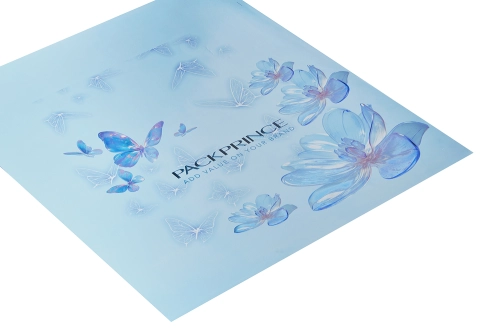
Our engineers can help you transition to sustainable materials without compromising on luxury.
Get a Free Quote
Rigid Cardboard Heart Shaped Chocolate Box|with Plastic Tray...
Read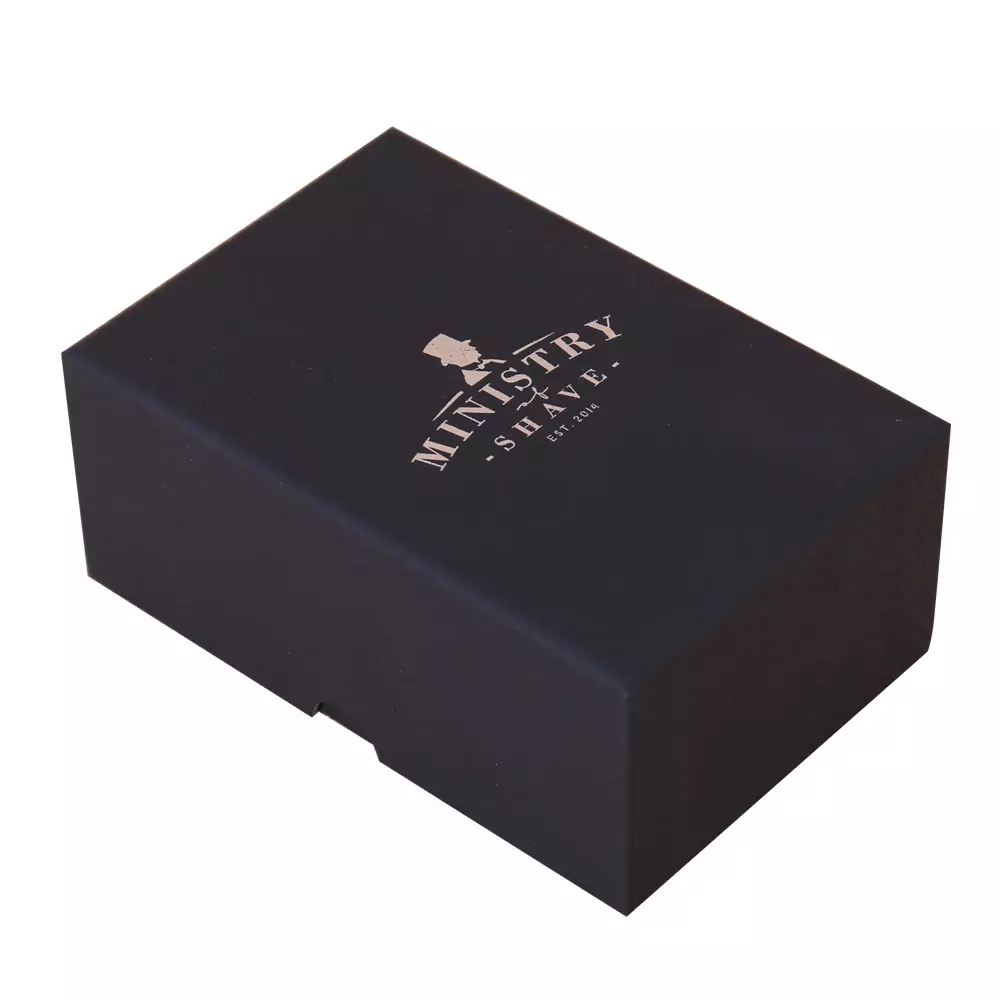
Very thick lines of special paper| Lid has finger position ...
Read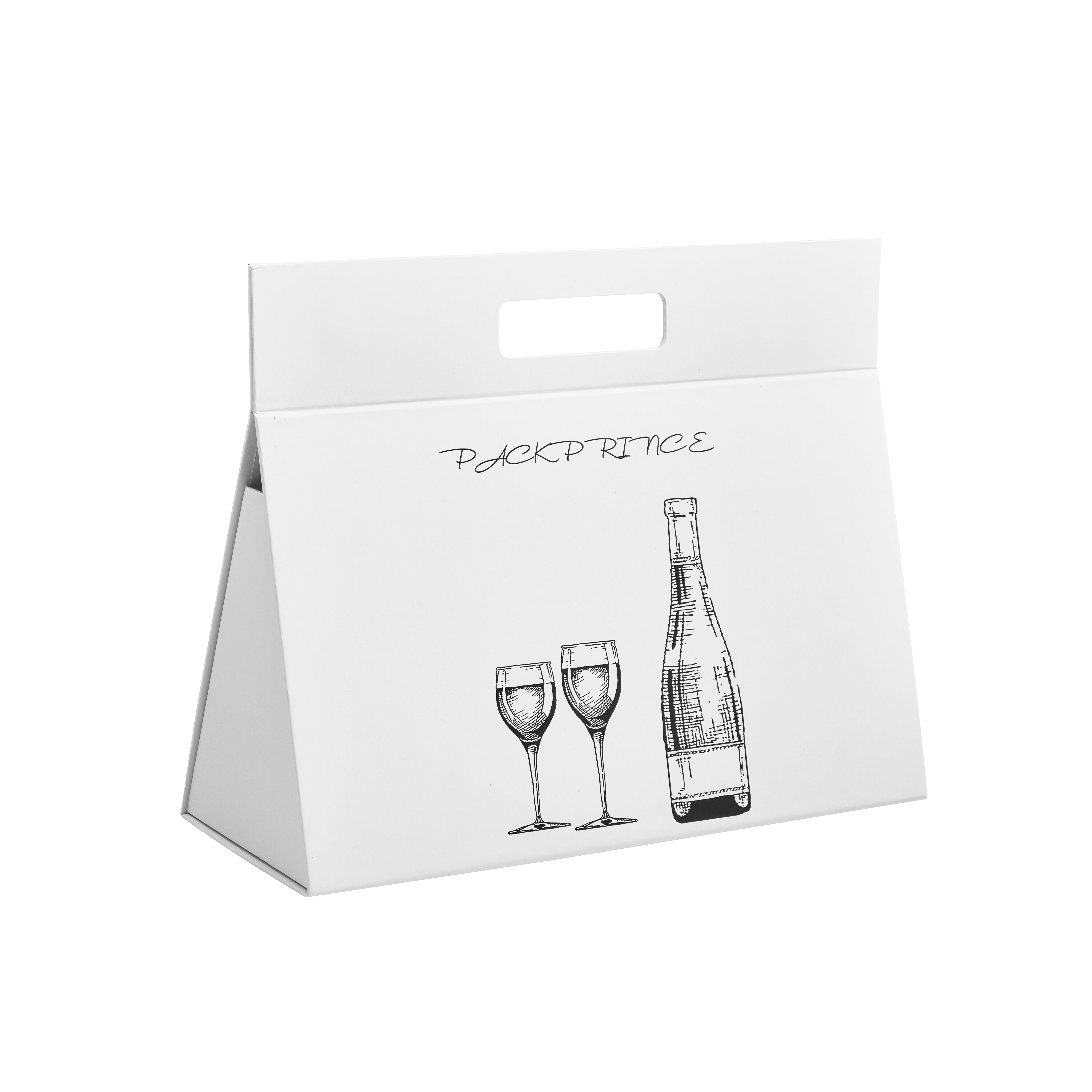
Mounted from coated art paper and rigid cardboard materials|...
ReadShare your specs or design files in minutes — we’ll reply within 24 hours with a clear quote, recommended materials, and feasible finishes.
Prefer email? Reach us at mkt@dhpfactory.com.