
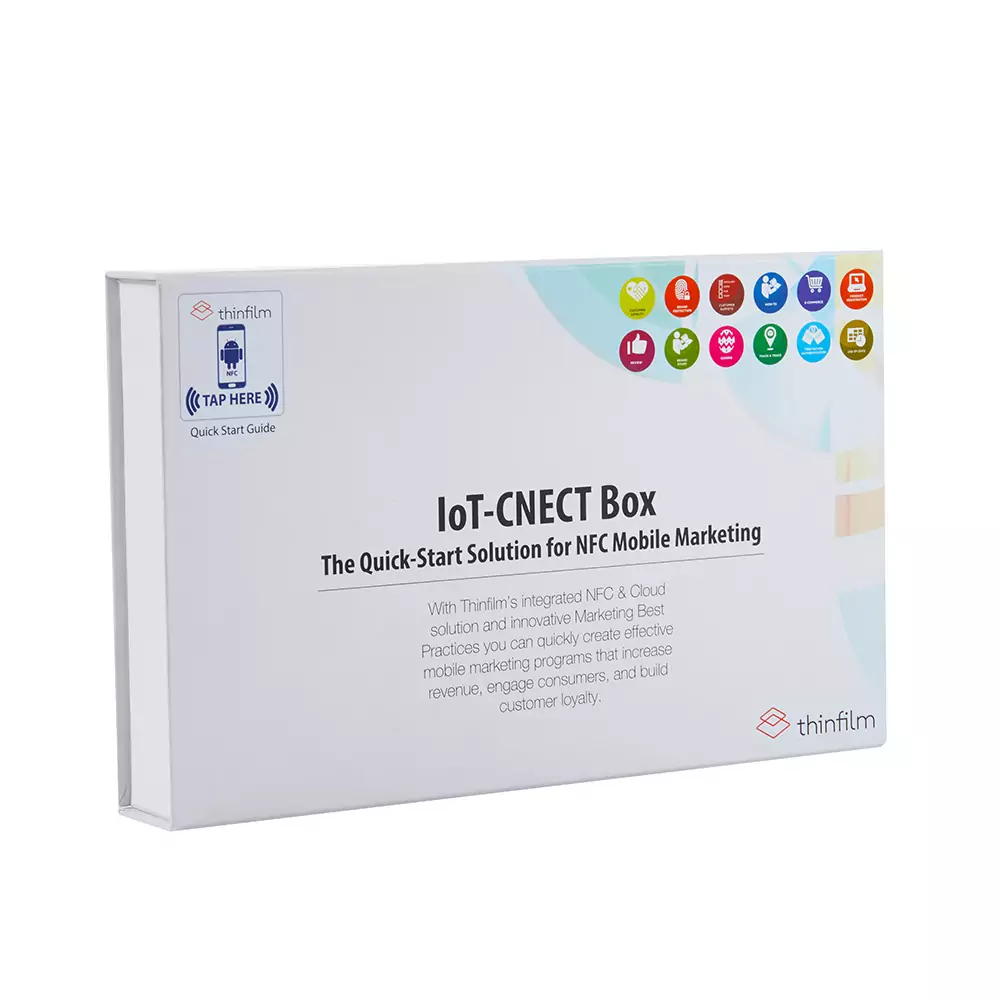
Engineering / z1013_01
Hot Sale Printed Quality Cardboard Gift Box
Used for calibrator packaging|Made from art paper and rigid ...
ReadPlanning a perfume packaging order? Discover 7 hidden factors that delay production — from foil stamping to tooling and shipping — and how to keep your timeline on track..

For B2B buyers sourcing custom perfume packaging, the biggest risk to a product launch is rarely the design itself — it's the timeline. A single overlooked detail in the production process can push delivery back by weeks, disrupting retail launch dates, marketing campaigns, and inventory planning.
Having worked with packaging factories across multiple production cycles, buyers quickly learn that lead time is not a single number — it's the sum of several interconnected stages, each with its own risk of delay. Understanding these stages in advance allows procurement teams to plan realistic timelines, choose the right manufacturing partner, and avoid costly last-minute surprises.
This guide breaks down the seven most common causes of production delays in custom perfume packaging, along with practical strategies to keep your project on schedule.
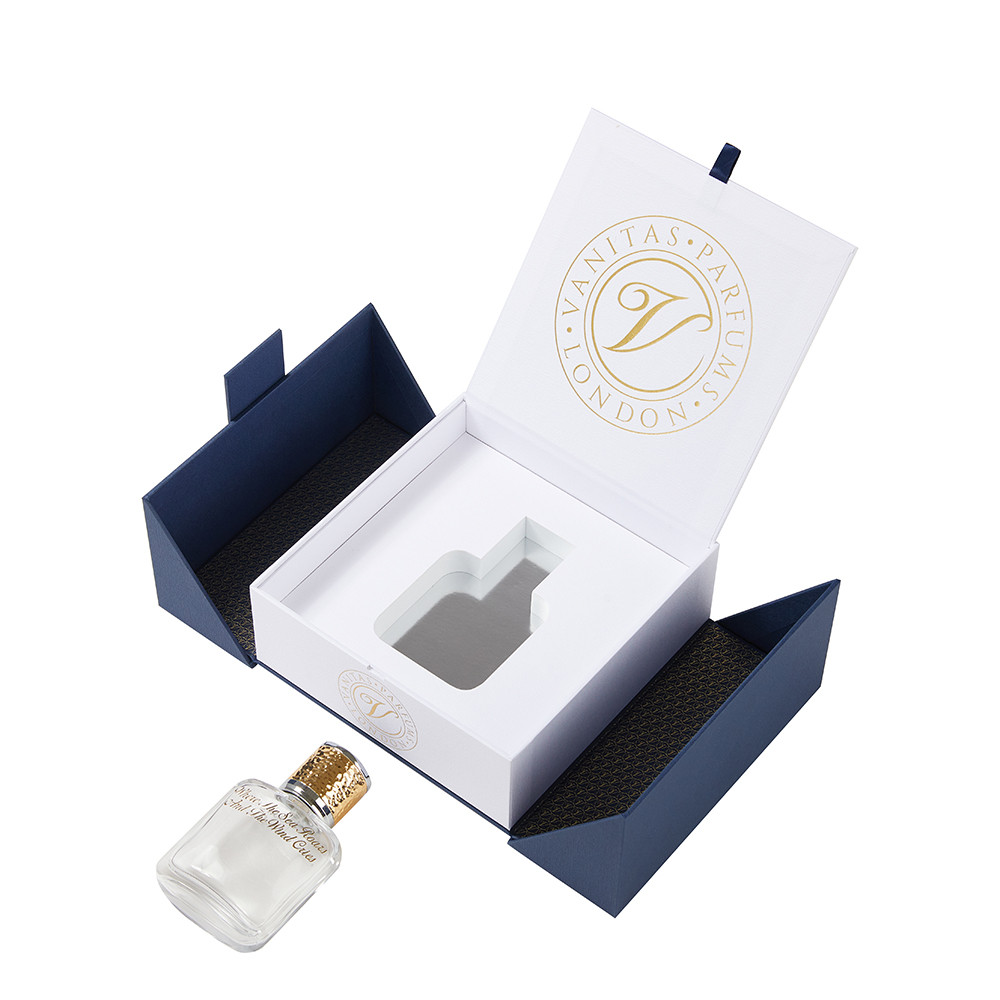
One of the most underestimated causes of delay happens before manufacturing even begins: the design approval stage. Many brands underestimate how many rounds of revisions are needed to finalize artwork, color matching, and structural layouts.
When a project involves intricate elements — gold foil logos, embossed textures, or a transparent window cut into a drawer box — the design file needs to be technically precise. Even minor inconsistencies in bleed lines, die-cut paths, or Pantone color codes can trigger another round of proofing, adding days or even weeks to the schedule.
How to avoid it: Work with a factory that provides digital proofs and structural mockups early in the process. A supplier with in-house design and engineering support — rather than outsourcing this step — can usually turn around revisions within 24–48 hours instead of several days.
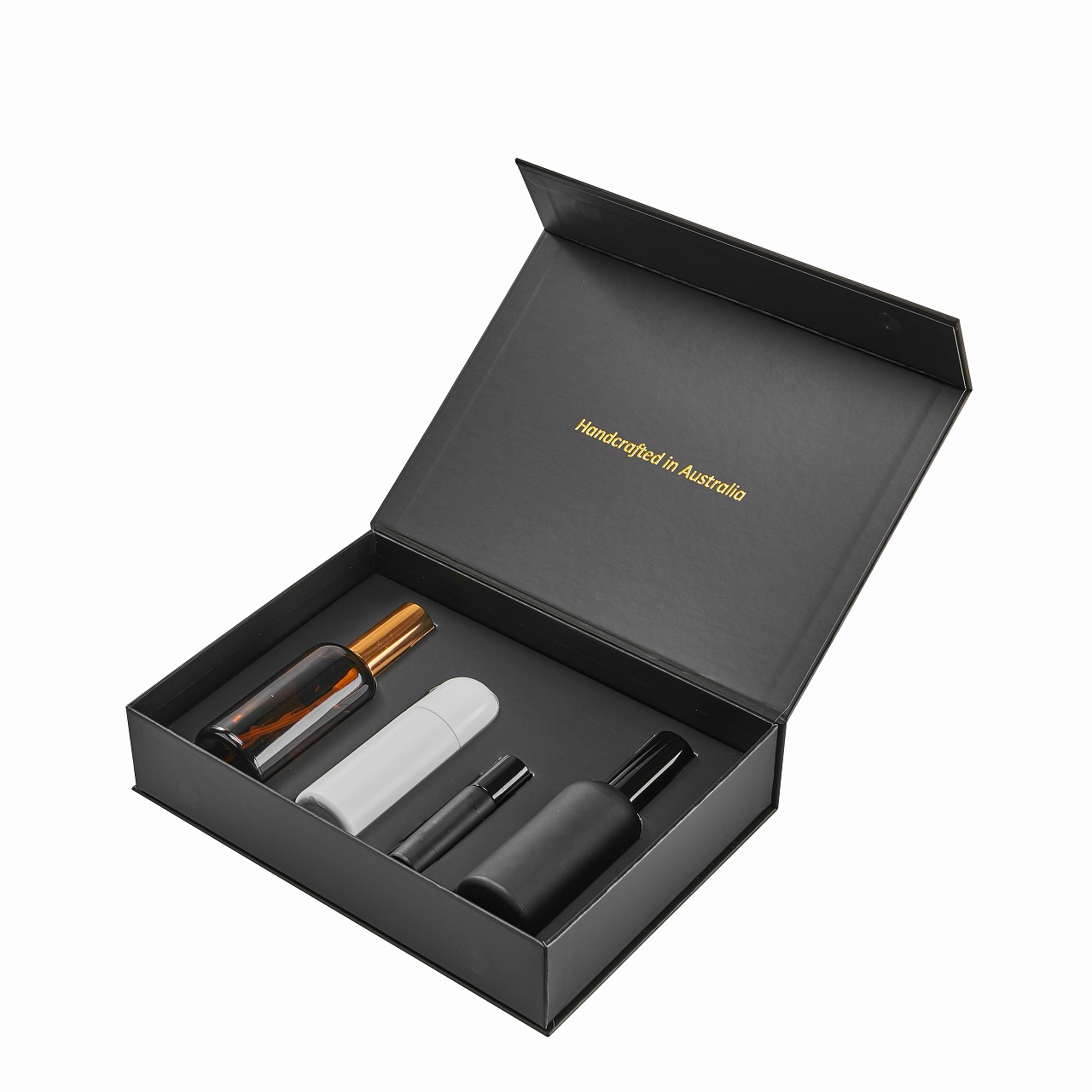
Premium perfume packaging often relies on specific paperboard weights, textured papers, or imported substrates that aren't always kept in stock. If a brand specifies a particular paper finish — such as a soft-touch laminate or a heavyweight rigid board — and that material isn't readily available, the entire production schedule waits on procurement.
This becomes especially relevant for boxes that combine multiple materials, such as a rigid drawer structure paired with a PVC display window and a paper-wrapped insert tray. Each component may rely on a different supplier, and any single delay in the supply chain affects the whole order.
How to avoid it: Choose a manufacturer with established relationships with multiple paper mills and material suppliers, reducing dependency on a single source. Factories with larger production volumes — like DHP Factory — typically maintain better access to commonly used substrates, which shortens the procurement window significantly.
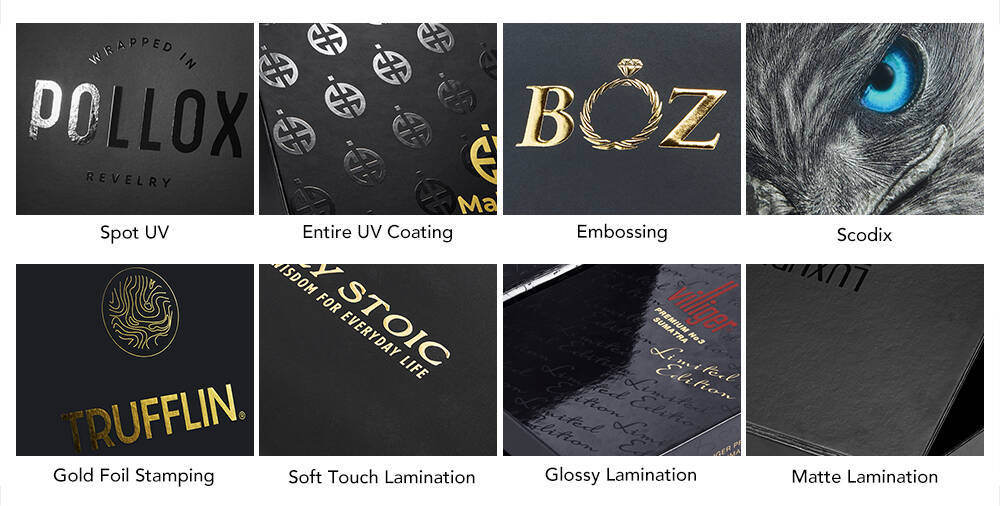
Decorative finishes such as hot foil stamping, embossing, spot UV, and debossing are what give perfume packaging its luxury appearance — but they're also among the most technically demanding processes to execute correctly.
Large foil areas, in particular, are prone to adhesion issues. If the foil is applied using outdated methods, peeling or flaking can occur after lamination, requiring a portion of the batch to be reproduced. This rework cycle is one of the most common — and most avoidable — sources of delay in premium packaging production.
How to avoid it: Ask your supplier about their foil application sequence. Factories that apply foil stamping before the lamination stage tend to achieve stronger adhesion and more consistent results, particularly on larger decorative areas. This single process adjustment can prevent an entire round of reproduction.
Unlike standard folding cartons, many perfume packaging formats — such as drawer-style boxes, magnetic closure boxes, or boxes with built-in blister inserts — require custom structural engineering. Each structural element needs to be tested for fit, durability, and ease of use before mass production begins.
If structural adjustments are needed after the first physical sample is produced, a second or even third round of sampling may be required. Each sampling round typically adds several days to the overall timeline, particularly when inserts, trays, or sliding mechanisms are involved.
How to avoid it: Request a physical pre-production sample before committing to bulk production, even if it adds a short amount of time upfront. Suppliers with dedicated structural engineering teams can often identify and resolve fit issues during the digital mockup stage, reducing the need for multiple physical samples later.
For packaging with unique shapes — such as a custom-cut PVC window, an irregular drawer opening, or a thermoformed blister tray — new tooling or molds must be produced before production can begin. Tooling development is a one-time process per design, but it can take anywhere from a few days to over a week depending on complexity.
Buyers ordering a redesigned or entirely new structure should account for this tooling lead time separately from the printing and assembly timeline. Skipping this step in project planning is a common reason why initial quotes don't match final delivery dates.
How to avoid it: Clarify with your supplier whether your design requires new tooling or can use existing dies. If new tooling is needed, request the tooling timeline as a separate line item in your production schedule so it can run in parallel with other preparation steps where possible.
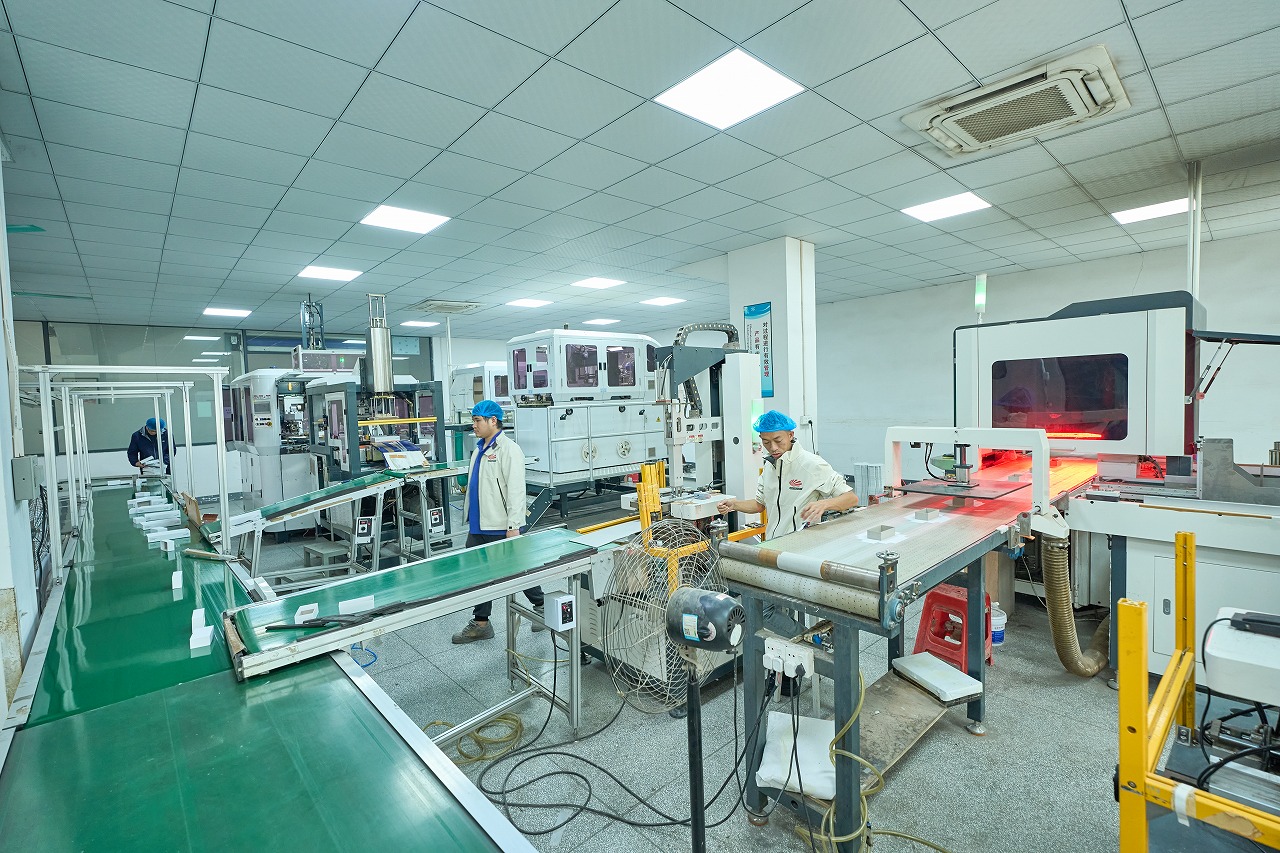
Quality checks happen at multiple points throughout production — after printing, after foil application, after structural assembly, and before final packing. While this process is essential for catching defects early, it can also become a source of delay if issues are discovered late in the cycle.
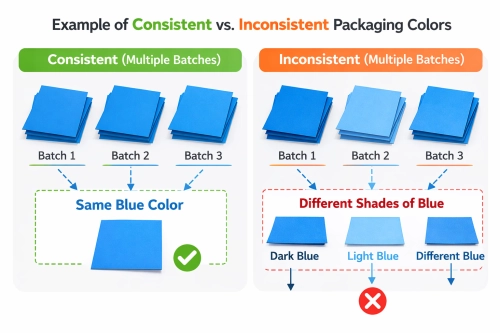
For example, if a batch of boxes fails inspection due to color inconsistency or foil adhesion problems after assembly has already begun, the affected units may need to be reworked or reproduced, pushing back the entire shipment.
How to avoid it: Choose a supplier with documented inline quality control procedures — meaning inspections happen during production, not only at the end. This allows defects to be caught and corrected at an earlier stage, before they affect the full order quantity.
Even after production is complete, the final stage of the timeline — shipping and customs clearance — is often the least predictable. Ocean freight schedules, port congestion, and customs documentation requirements vary by destination country and season, and delays at this stage are largely outside the factory's direct control.
Buyers who only account for "production time" and not "door-to-door time" frequently find their packaging arrives later than expected, even when the factory met its internal deadlines.
How to avoid it: Request both production lead time and estimated shipping time as separate figures when planning your order. Factories with global export experience can often provide more accurate shipping estimates and help prepare documentation in advance to avoid customs delays.
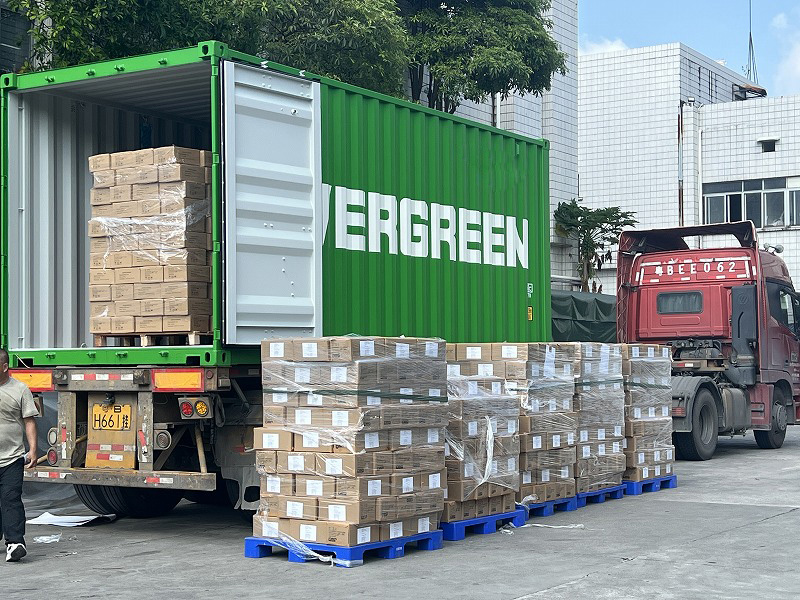
Finished custom perfume packaging boxes prepared for export shipping
Rather than relying on a single estimated delivery date, B2B buyers benefit from breaking the project into stages: design approval, material procurement, tooling (if needed), sample approval, mass production, quality inspection, and shipping. Requesting a stage-by-stage timeline from your supplier — rather than one combined number — makes it easier to identify where delays are likely to occur and to plan buffer time accordingly.
It's also worth asking potential suppliers how they've handled delays in the past. A factory with over two decades of experience in custom packaging, like DHP Factory, will typically have established contingency processes — such as backup material sources or parallel tooling production — that reduce the impact of unexpected issues.
For buyers working on a tight launch schedule, it's often worth discussing your timeline requirements with the supplier before finalizing the design, since some structural or finishing choices can be adjusted to shorten production time without compromising the overall presentation.
Lead time delays in custom perfume packaging are rarely caused by a single major issue — they're usually the result of several smaller factors compounding across different stages of production. By understanding where these risks typically occur, B2B buyers can ask more informed questions during the supplier selection process and build realistic timelines into their product launch plans.
With nearly three decades of experience producing custom packaging for cosmetic, skincare, and fragrance brands, DHP Factory works closely with clients from the earliest design stage through final shipment to help avoid the delays outlined above. Whether you're developing a new custom perfume packaging box from scratch or refining an existing design, our structural engineering and production teams can help map out a realistic, stage-by-stage timeline for your project.
If you're planning an upcoming launch and want a clearer picture of your production timeline, contact our team to discuss your project requirements and receive a detailed production schedule along with your quotation.

Our engineers can help you transition to sustainable materials without compromising on luxury.
Get a Free Quote
Used for calibrator packaging|Made from art paper and rigid ...
Read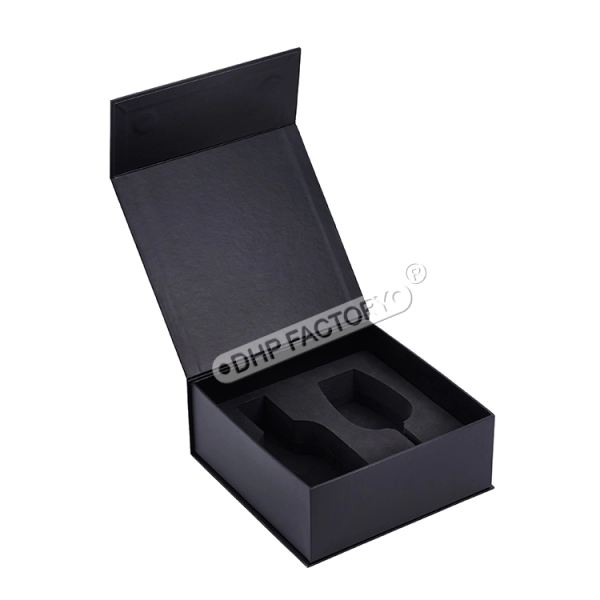
Used for champagne glass packaging|Made from art paper and r...
Read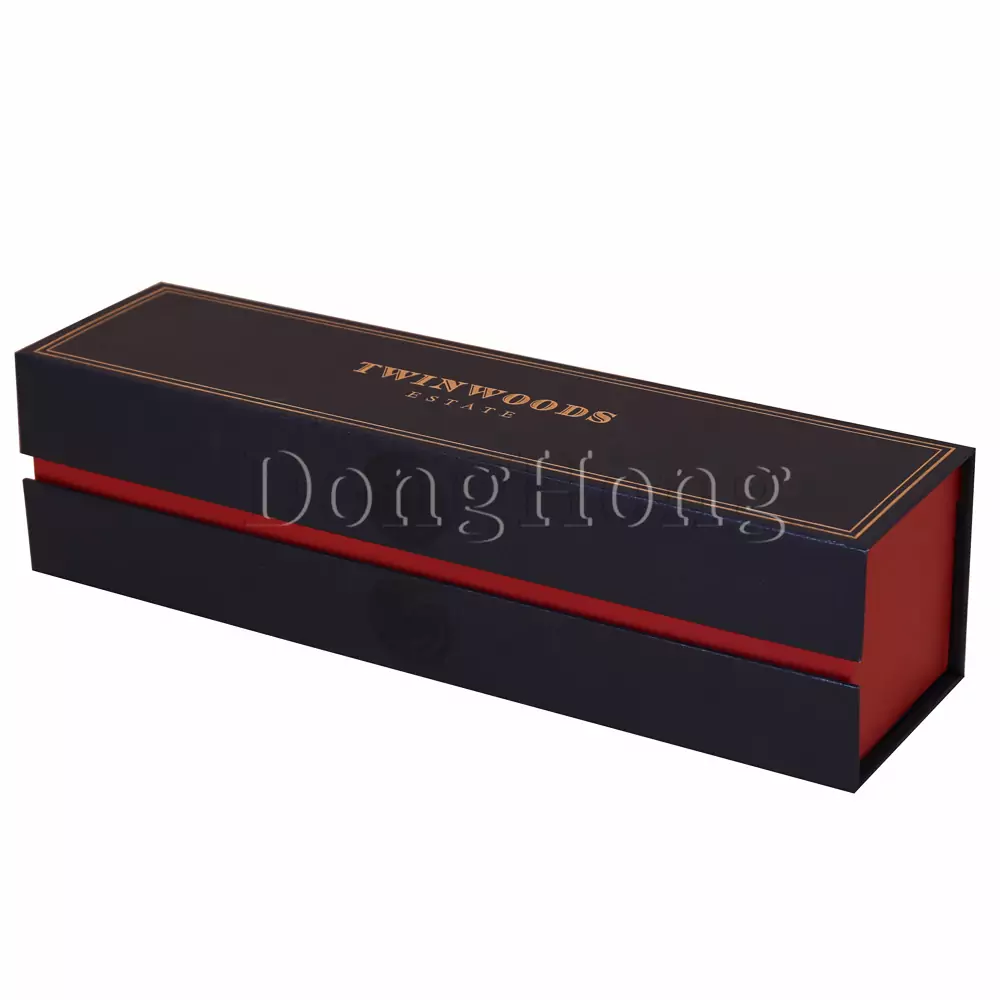
Mounted from fancy pearl paper and rigid cardboard materials...
ReadShare your specs or design files in minutes — we’ll reply within 24 hours with a clear quote, recommended materials, and feasible finishes.
Prefer email? Reach us at mkt@dhpfactory.com.