
Sourcing / z1005_02
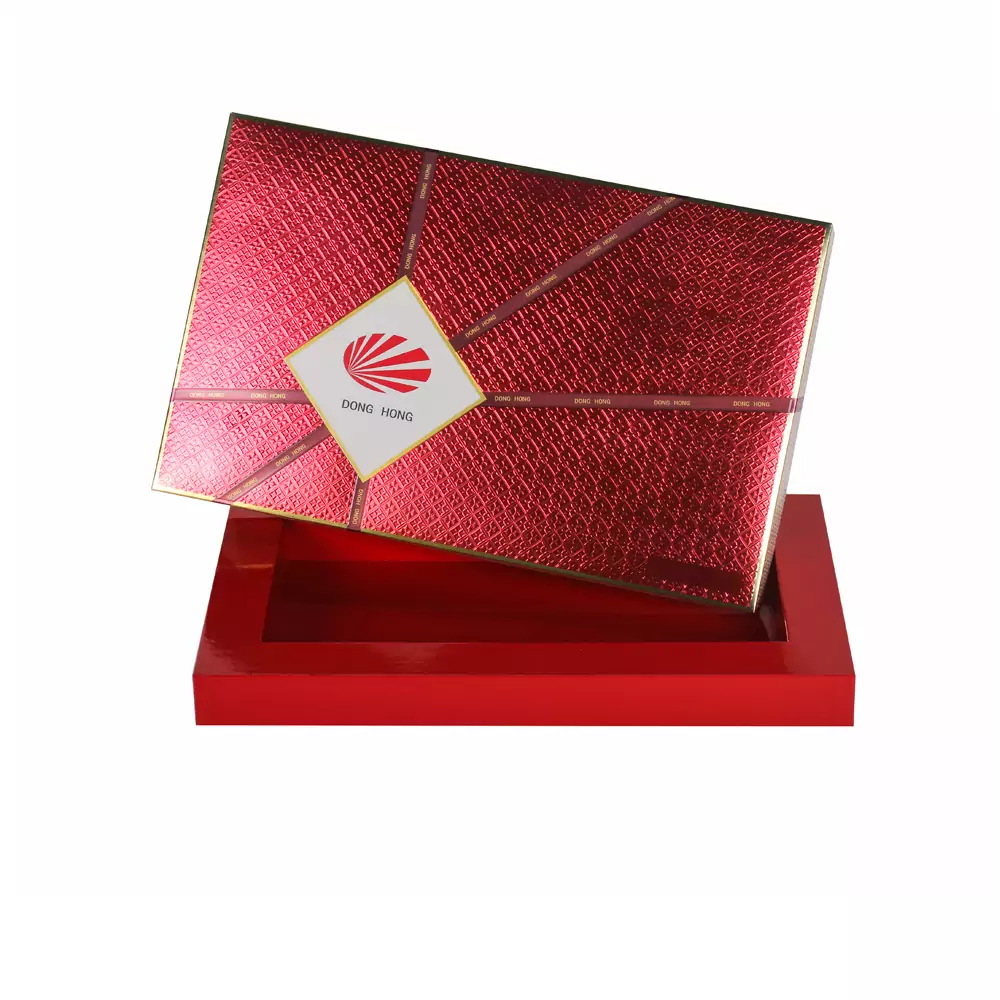
Custom Large Chocolate Packaging Box Suppliers
Crafted from C2S art paper and rigid cardboard materials |I...
ReadExplore foil stamping, embossing, debossing and spot UV for luxury packaging. Learn design considerations, production risks and finish selection..

DHP Factory | Printing & Finishing Expertise
For brands sourcing custom rigid boxes, understanding finishing methods helps balance appearance, manufacturability, budget and consistency across production runs.
Quick guide: Foil stamping adds metallic or colored accents; embossing raises a design; debossing presses it inward; and spot UV adds selective gloss. The most effective choice depends on the substrate, artwork detail, handling requirements and the desired unboxing experience.

Surface finishing shapes how packaging catches light, feels in the hand and supports a brand's visual identity.
However, adding every available technique rarely improves a design. Each additional pass can affect registration, lead time, cost and scrap risk. The better approach is to select one dominant effect, then add a complementary treatment only when it serves a clear visual or tactile purpose.
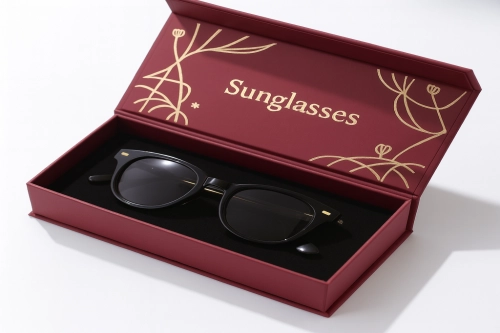
Hot foil stamping transfers a decorative foil onto a surface using heat, pressure and a prepared die. Gold, silver, rose gold and other foil appearances can emphasize a logo, fine border or product name. Unlike metallic ink, foil produces a distinctive reflective surface, although its appearance changes with lighting and the foil grade.
Foil is especially effective on matte-coated paper and selected specialty papers. Small reversed text, narrow gaps and intricate linework need particular attention: a design that looks crisp on a monitor may close up under pressure. Ask for a production-representative sample before approving delicate foil artwork.
Use foil when a brand needs a clear focal point, such as a fragrance monogram or jewelry emblem. Avoid covering large areas without first assessing surface flatness, rub resistance and practical production yield.
Embossing reshapes paper using matched tooling to create a raised design. The result can be subtle or sculptural, depending on board construction, paper thickness, artwork and tooling. Blind embossing uses no printed color or foil, allowing light and shadow to define the motif. Registered embossing aligns the relief with printed graphics or foil for a more pronounced effect.
Embossed crests, lettering and patterns work well for luxury gift boxes, collector packaging and premium accessories. Yet sharp corners, tiny type and crowded artwork may be difficult to reproduce consistently. Deep relief can also leave an impression on the reverse side, which matters when the wrapping paper is thin or the inside surface remains visible.
Debossing presses a design into the surface rather than raising it. It is particularly suited to restrained branding, understated logos and tactile geometric patterns. On uncoated or textured specialty paper, a blind deboss can create an elegant impression without adding another ink or foil color.
Designers should consider how the material compresses and how a recessed motif appears under directional lighting. The most reliable depth is established through physical sampling, not a universal millimeter specification.
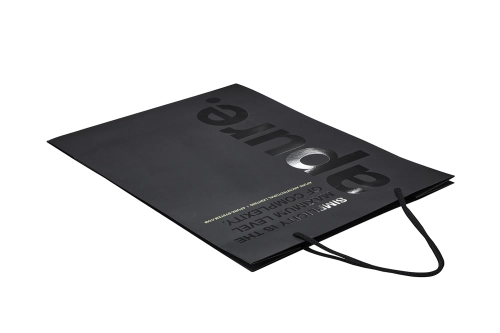
Spot UV applies a localized glossy coating, commonly over selected printed areas. On a matte background, it can highlight a product image, decorative pattern or logo without changing the underlying color artwork.
For premium skincare packaging, spot UV can emphasize botanical graphics or a product silhouette. It can also make a dark-on-dark pattern visible as the box moves under light. However, fine registration is critical: if the gloss drifts away from a printed edge, the mismatch becomes noticeable.
| Finish | Visual / tactile effect | Typical application | Main production consideration |
|---|---|---|---|
| Hot foil | Reflective metallic or colored detail | Logos, borders, premium lettering | Foil adhesion, tooling and fine-detail definition |
| Embossing | Raised relief | Crests, logos, tactile patterns | Tooling, paper stretch and reverse-side impression |
| Debossing | Recessed relief | Minimalist branding, texture | Paper compression and depth consistency |
| Spot UV | Localized gloss contrast | Artwork highlights, subtle patterns | Registration, curing and rub performance |
Combining finishes can be powerful when the layers have different jobs. A matte background with a small foil logo is a classic approach. Foil plus embossing can give a central emblem dimension, while spot UV can create a secondary visual rhythm across printed artwork.
Before approving a multi-process design, identify the primary focal point, confirm the intended sequence with the manufacturer and inspect a physical proof under realistic lighting. DHP Factory describes foil, embossing, debossing and spot UV among its printing and finishing capabilities, including the challenge of registering multiple treatments.
Finishing quotes are influenced by tooling, design coverage, number of passes, material choice, sheet layout, order quantity and inspection requirements. A simple single-position foil logo may be easier to plan than several separate metallic details. Embossing and debossing generally require tooling, while spot UV depends on the selected coating and application process.
Ask the supplier to identify any high-risk artwork areas early, and agree which finish characteristics are essential before production.
Provide editable vector artwork and a clear structural dieline with the finished box dimensions.
Separate foil, emboss, deboss and spot UV areas into clearly named production layers.
Specify Pantone references where appropriate and distinguish printed metallic ink from actual foil.
Confirm the wrapping paper, coating, lamination and intended finish sequence.
Flag narrow lines, small type, tight registration and finishing near folds or corners.
Approve a physical sample that represents the actual material and decorative treatment.
DHP Factory is a China-based custom packaging manufacturer serving brands that need structural design, printing and finishing coordination. Its published manufacturing information describes Heidelberg offset printing, sample approval and dedicated finishing operations. For a custom rigid box, that combination matters because a surface design must remain compatible with the wrapping and assembly process—not just look attractive on a flat sheet.
For more background on printing options, explore DHP Factory's custom packaging color printing guide. Buyers developing premium boxes can also review the manufacturing process and equipment overview before requesting a project-specific recommendation.
No. Foil transfers a decorative film, while metallic printing uses ink containing reflective pigments. They have different appearances and production requirements.
Yes, when the paper, tooling and registration are suitable. A physical sample should confirm edge alignment and the desired relief.
Blind debossing, blind embossing or a small foil accent can work well. The best option depends on the paper texture and brand design.
No. Coating adhesion, gloss contrast and curing vary by substrate and existing surface treatments. Compatibility testing is recommended.
Share your artwork, target box structure, quantity and preferred materials. DHP Factory can review finishing feasibility and discuss sample options before mass production.
Contact DHP Factory

Our engineers can help you transition to sustainable materials without compromising on luxury.
Get a Free Quote
Crafted from C2S art paper and rigid cardboard materials |I...
Read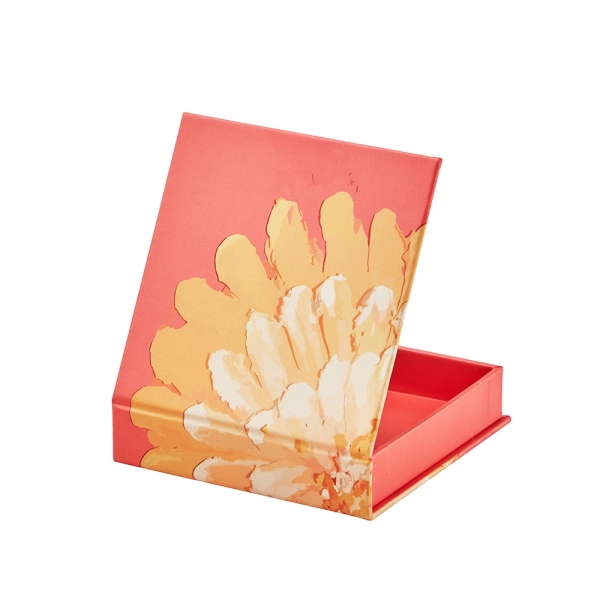
Used for CD packaging|Made from art paper and greyboard mate...
Read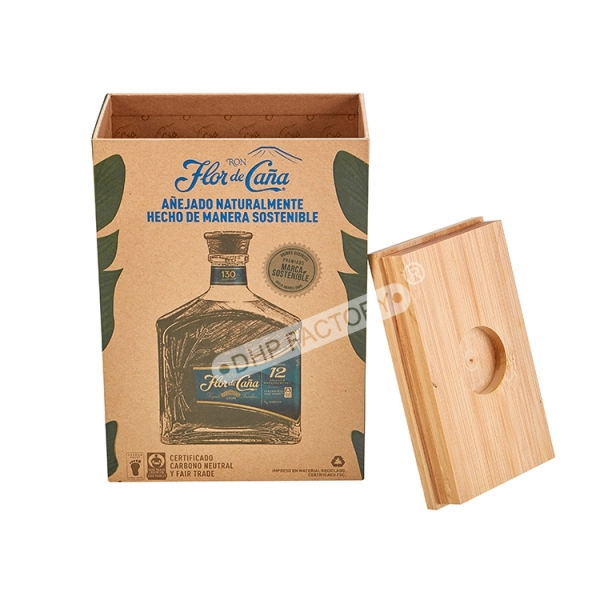
Kraft Paper Wine Box | Sustainable Wine Gift Packaging | Eco...
ReadShare your specs or design files in minutes — we’ll reply within 24 hours with a clear quote, recommended materials, and feasible finishes.
Prefer email? Reach us at mkt@dhpfactory.com.