
Why Do Custom Rigid Box Prices Vary So Much? 7 Factors That Affect Your Packaging Cost
You send the same packaging reference, dimensions, and order quantity to three custom rigid box manufacturers. One quotation is significantly lower than the others. Does that mean the cheaper supplier offers better value?
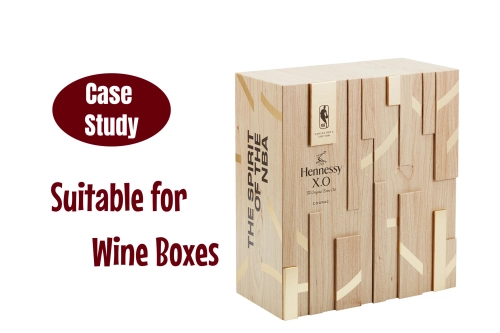
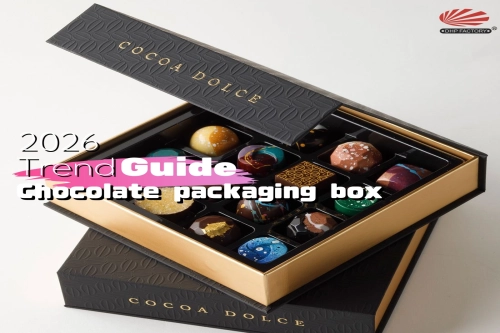
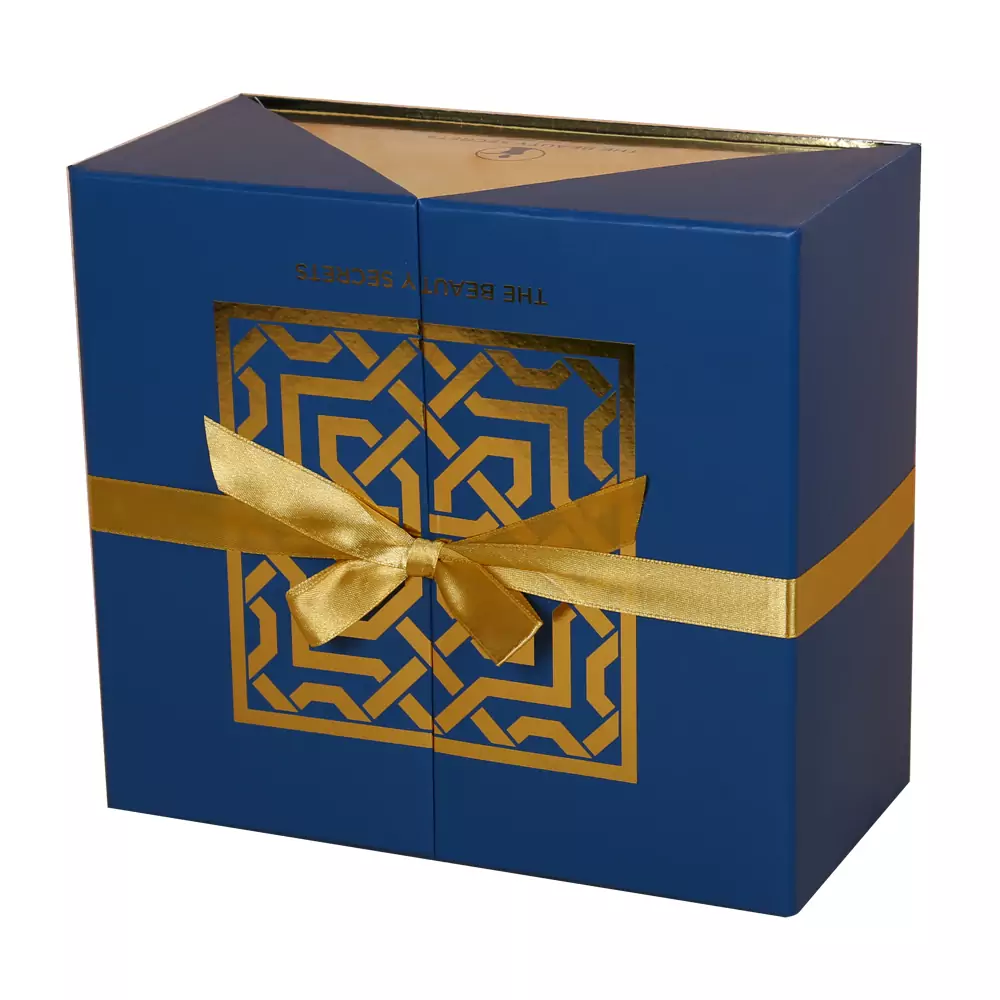
Not necessarily. Two rigid gift boxes can look almost identical in photographs while using different greyboard specifications, wrapping materials, inserts, finishing processes, and assembly methods.
These differences influence the final packaging cost, structural performance, manufacturing efficiency, and consistency across production batches.
For brands comparing luxury packaging suppliers, understanding these cost factors makes it easier to request accurate quotations and identify opportunities to optimize packaging without sacrificing the details that matter.
1. Box Dimensions and Greyboard Specifications
The size and structural material of a rigid box are major cost factors. Larger dimensions generally require more greyboard, wrapping paper, adhesive, and handling.
Greyboard thickness also matters. A heavier or thicker board may be appropriate for large presentation boxes, heavy bottles, or products requiring additional structural support.
However, using the thickest available board does not automatically produce the best packaging.
Material selection should consider finished dimensions, product weight, sidewall height, opening design, and required strength.
For example, two manufacturers may quote the same box size but specify different greyboard thicknesses. Without comparing these specifications, the quotations are not directly equivalent.
Buyer Tip: Ask suppliers to state the greyboard thickness, material grade, and finished box dimensions in their quotation. Material suitability should be confirmed through structural sampling.
2. Wrapping Paper and Surface Materials
Rigid boxes typically use decorative wrapping paper over a greyboard structure. The selected paper strongly influences both price and appearance.
Standard printed art paper can provide an effective solution for detailed artwork, gradients, and branded designs.
Specialty papers introduce additional options, including textured surfaces, pearlescent effects, deep-color stocks, and fabric-like finishes.
These materials may have different purchase prices, minimum order requirements, forming characteristics, and printing limitations.
Does More Expensive Paper Always Look Better?
No. A carefully selected printed paper with matte lamination can create a sophisticated appearance, while an unsuitable specialty paper may complicate fine artwork or color matching.
The best choice depends on the visual identity of the brand, intended surface texture, artwork, and available budget.
3. Box Structure and Assembly Complexity
Box structure can have a substantial impact on manufacturing cost—even when two designs use similar materials.
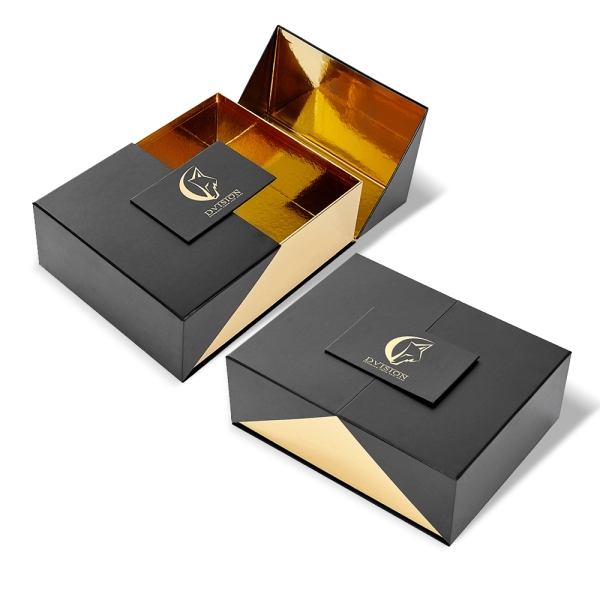
A conventional lid-and-base box and a multi-panel magnetic presentation box require different cutting patterns, assembly sequences, and production resources.
Complex structures may involve additional hinges, magnets, internal platforms, ribbons, decorative panels, or individually positioned components.
Each additional operation can increase manufacturing time, assembly requirements, tooling, or inspection needs.
How Structure Changes Manufacturing Requirements
| Box Structure | Manufacturing Considerations | Potential Cost Drivers |
|---|---|---|
| Lid-and-Base Box | Two-piece forming, wrapping, dimensional fit | Material usage, tooling, assembly method |
| Magnetic Book-Style Box | Hinged cover, magnet placement, lid alignment | Additional components and assembly stages |
| Drawer Box | Inner tray and outer sleeve fitting | Multiple components and dimensional control |
| Complex Presentation Box | Multi-step assembly, unusual openings, accessories | Skilled labor, assembly time, detailed inspection |
These are manufacturing considerations rather than fixed price rankings. A box's actual cost depends on its complete specification and order quantity.
Explore DHP Factory's custom rigid box manufacturing solutions to review different packaging structures.
4. Printing and Decorative Finishing Costs
Printing and surface finishing are important for luxury branding, but each selected process adds technical and production requirements.
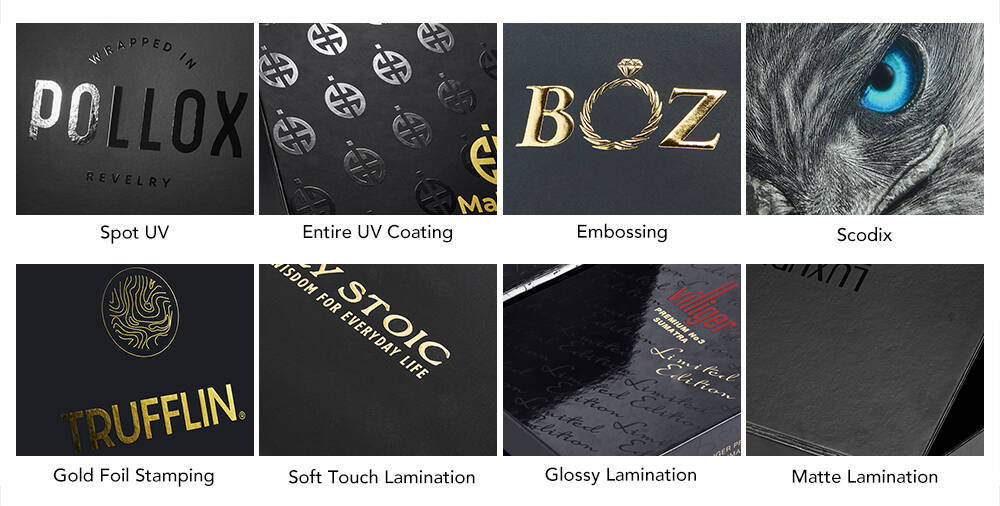
Offset printing, Pantone color matching, foil stamping, embossing, debossing, spot UV, and special lamination can require different materials, tooling, and equipment setup.
For instance, foil stamping generally requires dedicated tooling and a separate processing operation. Embossing or debossing may require additional dies, while spot UV involves its own application and registration requirements.
Combining several processes can be visually effective, but it may also create extra registration, production scheduling, and quality-control challenges.
A professional manufacturer should help buyers identify which finishes contribute most to the brand's desired appearance.
Want a Premium Look Without Unnecessary Finishing Costs?
Send DHP Factory your artwork and packaging references. Our team can review material and finishing combinations that fit your intended appearance and budget.
Discuss Your Packaging Design5. Custom Inserts and Accessories
Custom inserts are sometimes overlooked during early quotation comparisons, even though they can significantly change the final packaging specification.
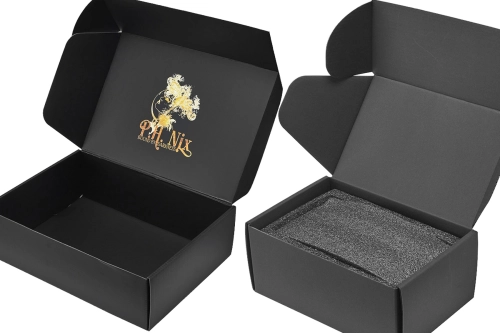
Paperboard dividers, EVA foam, fabric-covered trays, molded pulp, and multi-compartment supports differ in material cost, tooling, assembly, appearance, and protection.
A simple paperboard insert may be suitable for a lightweight gift set. A fragile perfume bottle or luxury ceramic item may require a more carefully engineered support.
The goal should be to select an insert that holds the product securely and supports the desired unboxing experience—not automatically to choose the most expensive material.
Accessories such as ribbons, magnets, pull tabs, cards, and decorative hardware should also be included in quotation comparisons.
6. MOQ, Tooling and Order Quantity
Order quantity is another important factor affecting custom rigid box pricing.
Packaging manufacturing may involve one-time or batch-level costs, such as structural tooling, cutting dies, printing setup, finishing dies, and equipment preparation.
These costs are distributed across the order quantity. As a result, smaller orders often have a higher setup cost per box.
Larger orders may improve production efficiency, but the lowest unit price does not always result in the best purchasing decision.
Buyers must also consider inventory requirements, packaging updates, warehousing space, and the risk of ordering more boxes than needed.
Should You Always Increase Your Order Quantity?
Not necessarily. For a new product launch, a smaller order may provide greater flexibility. For established packaging with stable demand, consolidating quantities may be more economical.
A useful quotation should clearly identify the minimum order quantity, quantity-based pricing, applicable tooling charges, and whether future repeat orders can reuse approved tooling.
7. Automated vs. Handmade Manufacturing: Why the Production Method Matters
One of the less visible factors behind rigid box pricing is how the box is manufactured.
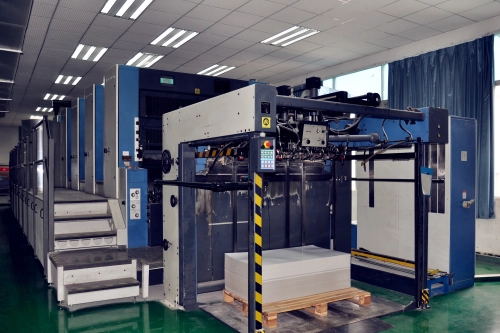
Automated equipment can improve efficiency and repeatability for compatible packaging designs. Handmade production allows greater flexibility where structures involve unusual shapes, multiple components, or intricate assembly operations.
Neither method is automatically cheaper or better for every packaging project.
Different Production Capabilities at DHP Factory
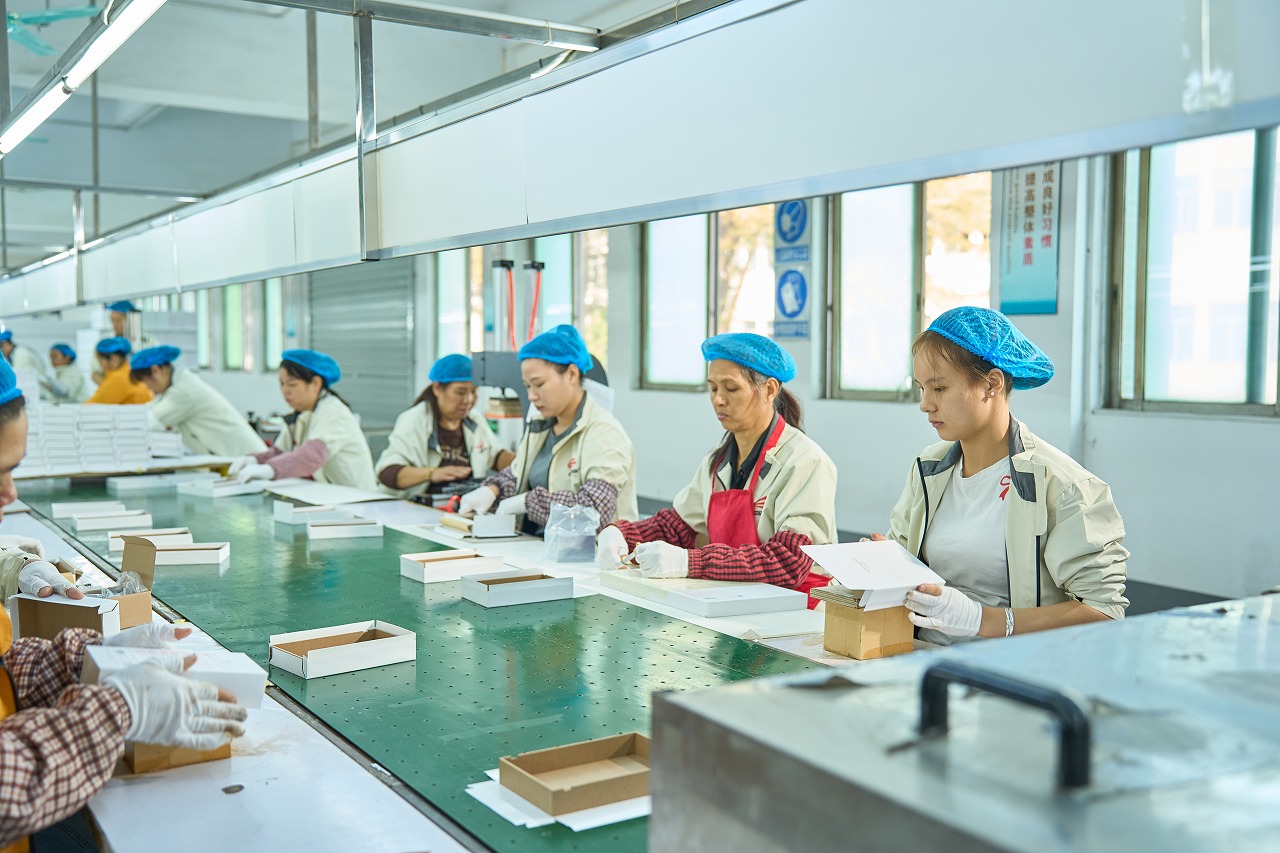
DHP Factory combines automated packaging manufacturing equipment with dedicated handmade production teams.
Automated production: Supports compatible, repeatable rigid box manufacturing operations.
Four standard handmade production lines: Handle conventional handmade rigid box forming, wrapping, and assembly.
Two specialized complex-packaging lines: Focus on multi-step structures, detailed component assembly, and intricate presentation boxes.
This range of production methods allows packaging projects to be reviewed according to structure, order quantity, finishing requirements, and manufacturing feasibility.
For a standard design suitable for automated processing, machine production may provide efficiency advantages. For an elaborate gift box requiring numerous manual operations, specialized assembly may be more practical.
Choosing the right method can help avoid unnecessary manufacturing complexity, although actual cost advantages must be confirmed through production evaluation.
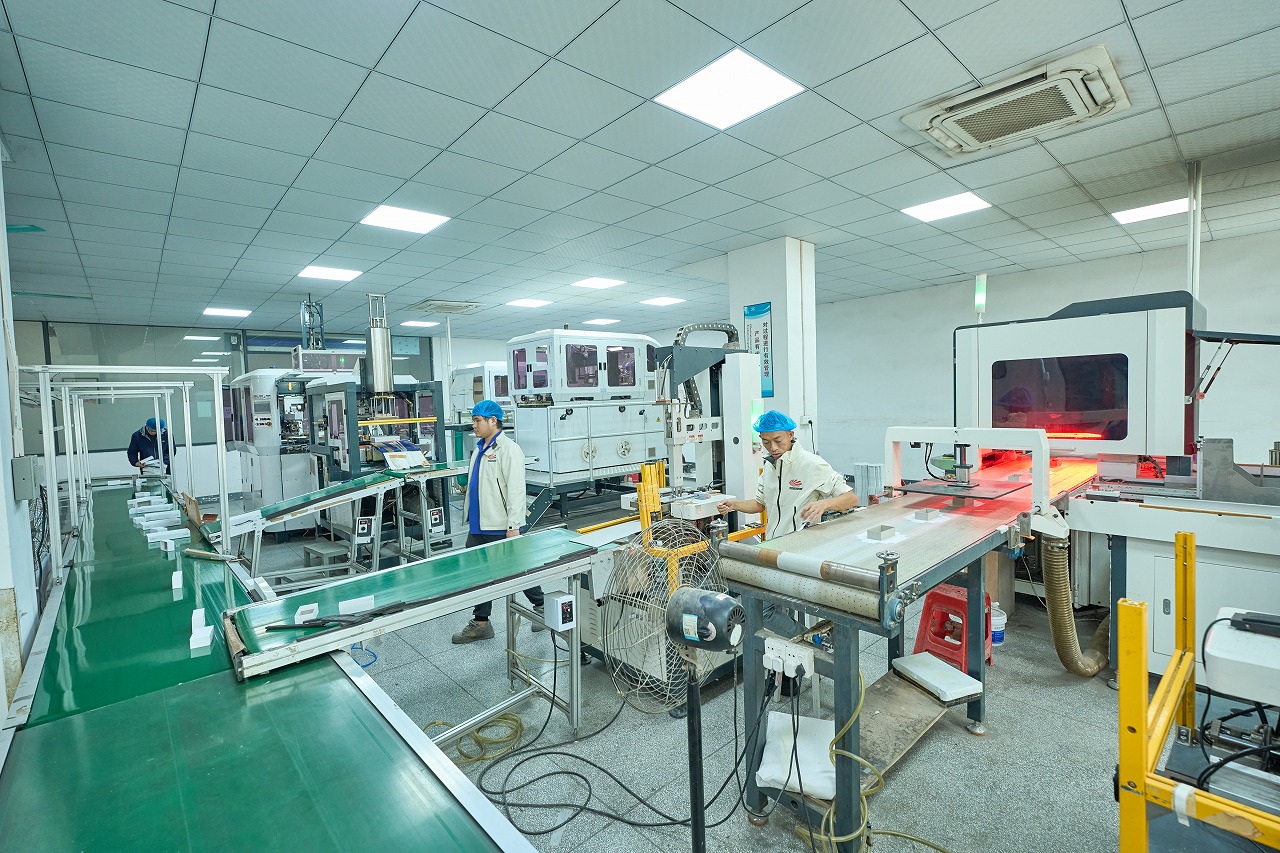
Learn more about DHP Factory's manufacturing equipment and production capabilities.
How to Reduce Luxury Packaging Costs Without Sacrificing Essential Quality
Cost optimization does not have to mean removing the premium qualities that make packaging valuable.
A more effective approach is to distinguish essential features from specifications that add cost without delivering enough functional or visual benefit.
| Cost Area | Possible Optimization | What Must Be Protected |
|---|---|---|
| Greyboard | Select thickness based on actual structural needs | Strength, stability, dimensional fit |
| Wrapping Material | Compare printed paper with specialty paper alternatives | Color accuracy, surface quality, brand identity |
| Surface Finishing | Prioritize the most visible decorative effects | Design hierarchy and key branding details |
| Inserts | Simplify compartments or evaluate alternative support materials | Product fit, protection, ease of removal |
| Manufacturing | Match the box structure to suitable equipment or assembly processes | Approved appearance, performance, quality consistency |
| Transport | Review carton packing, dimensions, and structural alternatives | Protection during handling and delivery |
All proposed adjustments should be evaluated through appropriate samples and quotations. A lower-cost option is useful only when it continues to meet the agreed quality and functional requirements.
Already Have a Rigid Box Design and Target Budget?
Share your packaging dimensions, reference photos, quantity, and finishing specifications. DHP Factory can review feasible material and production alternatives for your project.
Request a Packaging Cost ReviewHow to Compare Custom Rigid Box Quotations Fairly
Before choosing a supplier, make sure competing quotations describe equivalent products and services.
A useful request for quotation should include:
Box dimensions: State whether measurements refer to internal or external dimensions.
Box structure: Provide drawings or reference photos with opening details.
Materials: Specify greyboard, wrapping paper, and interior lining requirements.
Printing and finishes: Identify color requirements, foil, embossing, lamination, and other processes.
Insert and accessories: Include product-fitting requirements and any additional components.
Quantity: Request prices at practical order volumes where relevant.
Tooling and samples: Confirm whether charges are included or quoted separately.
Shipping and trade terms: Identify whether prices are EXW, FOB, DAP, or another agreed term.
Quality expectations: Agree on sample approval, relevant tolerances, and inspection criteria.
Comparing quotations on a consistent basis helps reveal whether a price difference comes from materials, manufacturing methods, included services, or different quality specifications.
It also gives suppliers the opportunity to suggest alternative solutions without changing the key requirements of the project.
Frequently Asked Questions
Why do different manufacturers quote different prices for the same rigid box?
Even when the design looks identical, manufacturers may use different board specifications, wrapping materials, finishing methods, inserts, assembly processes, and quality requirements. These differences affect the quotation.
What is the biggest cost factor in custom rigid boxes?
There is no single factor for every project. Size, materials, structure, order quantity, and assembly complexity can each have a major impact depending on the box specification.
Are handmade rigid boxes always more expensive?
Not necessarily. Automated production can be efficient for compatible repeatable structures, while skilled handmade assembly may be more suitable for low-volume, intricate, or multi-step packaging designs.
Can I reduce packaging costs without changing the box appearance?
Sometimes. Adjustments to board thickness, internal components, finishing combinations, or manufacturing methods may preserve the intended appearance. Each option should be validated through sampling.
Does increasing the MOQ always reduce the unit price?
Higher quantities can spread setup and tooling costs across more units, but savings depend on the manufacturing process, materials, and production efficiency. Total inventory and storage costs should also be considered.
What should I provide to receive an accurate rigid box quotation?
Provide the box structure, dimensions, expected quantity, product weight, artwork, wrapping material preferences, surface finishes, insert requirements, and delivery destination.
Looking for the Right Balance Between Luxury Packaging Quality and Cost?
Choosing a custom rigid box manufacturer should involve more than comparing unit prices. Materials, structure, printing, assembly, and quality requirements all contribute to the final result.
DHP Factory combines automated packaging manufacturing with four standard handmade production lines and two specialized lines for complex, multi-step packaging.
Whether you are developing luxury perfume packaging, chocolate gift boxes, jewelry presentation boxes, or premium promotional packaging, our team can help evaluate feasible materials, manufacturing processes, and cost considerations.
Send us your packaging design, dimensions, estimated order quantity, and target budget to discuss a suitable manufacturing solution.
Request a Custom Rigid Box Quotation