
Why Custom Rigid Boxes Fail: 7 Common Manufacturing Defects and How to Prevent Them
A luxury rigid box should look precise, feel substantial, and open smoothly. Yet even an attractive prototype can develop problems during mass production: warped lids, wrinkled corners, bubbling paper, inconsistent colors, or magnetic closures that no longer align.
Understanding common rigid box manufacturing defects helps packaging buyers recognize potential risks before approving production. Most defects involve the interaction of greyboard, wrapping paper, adhesives, structural tolerances, equipment settings, and handling conditions.
This guide examines seven frequent defects, explains their likely causes, and outlines practical prevention methods used in professional rigid box manufacturing.

1. Seven Common Rigid Box Manufacturing Defects
Defect 1: Warping and Deformed Lids
Warping occurs when a box lid, base, or sidewall bends away from its intended shape. This can cause uneven gaps, unstable stacking, and poor closure performance.
Common causes: Uneven moisture absorption, unsuitable board construction, adhesive imbalance, or inadequate conditioning after assembly.
Prevention: Select appropriate greyboard, manage material storage conditions, control adhesive application, and check finished components for flatness before assembly.
Defect 2: Surface Bubbling and Wrinkles
Air bubbles and wrinkles beneath the wrapping paper are particularly noticeable on large, smooth surfaces and dark luxury packaging.
Common causes: Trapped air, uneven glue distribution, unsuitable wrapping pressure, contamination, or incompatibility between paper and adhesive.
Prevention: Evaluate material compatibility, maintain consistent adhesive application, and use suitable wrapping and pressing methods. Production samples should be inspected after the adhesive has stabilized.

Defect 3: Cracked, Wrinkled, or Exposed Corners
Corners strongly influence the perceived quality of a rigid box. Poorly formed corners can expose greyboard, create visible folds, or cause printed surfaces to crack.
Common causes: Inaccurate board cutting, unsuitable V-groove geometry, insufficient corner allowances, or excessive stress on decorative papers.
Prevention: Confirm cutting and grooving accuracy, test wrapping paper flexibility, and approve finished corner samples before bulk production.
Defect 4: Glue Marks and Delamination
Excess adhesive may leave visible marks, while insufficient bonding can cause paper edges to lift or separate from the rigid board.
Common causes: Incorrect adhesive quantity, inconsistent application, unsuitable curing conditions, or poor bonding compatibility.
Prevention: Match adhesives to the selected materials, establish suitable application parameters, and inspect both surface appearance and bond integrity.
Defect 5: Printing Color Differences
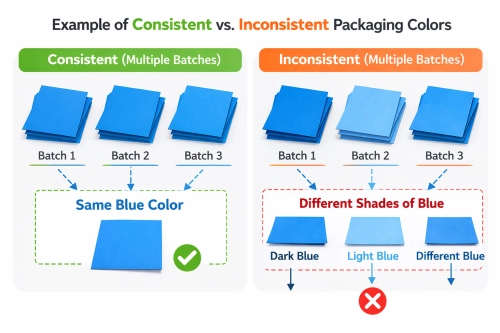
Color inconsistencies can occur between a digital sample and offset-printed mass production, or between different production batches. Specialty paper texture, coating, and lighting can also affect perceived color.
Common causes: Different printing technologies, unapproved color references, substrate variation, or insufficient press calibration.
Prevention: Establish a physical color reference, specify Pantone colors where appropriate, and confirm printing on the intended substrate before production.
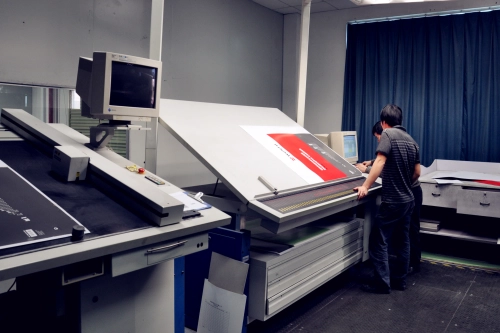
DHP Factory uses Heidelberg offset printing and color measurement equipment as part of its published manufacturing capabilities. Learn more in our custom packaging color printing guide .
Defect 6: Lid and Base Misalignment
A lid that is too tight, too loose, or visibly uneven can affect both appearance and usability. This problem is especially noticeable in premium two-piece and book-style rigid boxes.
Common causes: Dimensional differences in greyboard, inaccurate forming, inconsistent wrapping thickness, or insufficient allowance between mating components.
Prevention: Check component dimensions, confirm lid clearance with a physical prototype, and inspect representative samples during assembly.
Defect 7: Magnetic Closure Problems
Magnetic rigid boxes may fail to close properly when magnets are misaligned, incorrectly positioned, or affected by changes in the finished structure.
Common causes: Incorrect magnet polarity, misplaced magnet pockets, insufficient fixing, or dimensional changes during wrapping.
Prevention: Verify magnet placement and polarity, inspect closure performance after finishing, and test the box with its intended insert and product.
Explore DHP Factory's custom rigid box manufacturing solutions for different structures and closure options.
2. How to Prevent Defects Before Mass Production
Rigid box quality begins before the first production sheet is printed. Clear specifications and appropriate sampling can identify design or material risks before they become expensive manufacturing problems.
Step 1: Review Materials and Structural Design
Confirm greyboard thickness, wrapping paper, box dimensions, surface finishing, closure type, and insert requirements. Materials should be evaluated together rather than individually.
Step 2: Approve a White Structural Sample
An unprinted sample helps verify dimensions, lid fit, opening movement, structural rigidity, and product positioning before decorative finishing is introduced.
Step 3: Confirm a Pre-Production Sample
A pre-production sample using the intended materials, printing, and finishes provides a more reliable reference for evaluating the final appearance and construction.
Step 4: Monitor Production Quality
Incoming material checks, printing inspection, structural measurements, assembly verification, and finished-goods inspection should follow documented project requirements.
3. How DHP Factory Approaches Rigid Box Manufacturing Quality
DHP Factory is a China-based custom packaging manufacturer combining structural engineering, Heidelberg offset printing, automated converting equipment, and skilled assembly for premium paper packaging.
The factory's published manufacturing capabilities include precision V-grooving, color measurement, rigid box forming, and production inspection. These resources support quality control across printing, finishing, structural forming, and assembly.
Its documented manufacturing workflow covers technical specifications, sampling, approved references, materials preparation, production, in-process inspection, and final quality checks.
Learn more about our equipment and workflow through DHP Factory's smart manufacturing and quality control capabilities .
Quality Certifications and Responsible Manufacturing
DHP Factory's published compliance information includes ISO 9001:2015 quality management certification, FSC certification information, and Sedex SMETA audit experience.
The factory also reports a satisfactory LVMH Allegro social and environmental assessment. This assessment relates to supplier responsibility and should not be confused with certification that every packaging order is defect-free or with a claim of direct supply to a particular luxury brand.
Procurement teams can review the DHP Factory certificates and compliance information and request current documentation relevant to their sourcing requirements.
Experience With International Premium Brands
DHP Factory's published factory-visit records describe technical discussions and audit activities involving international cosmetic, spirits, and skincare businesses.
These projects highlight the importance of physical color references, structural samples, insert fit, and direct communication between buyers and packaging engineers.
For brands that require supplier verification, DHP Factory welcomes manufacturing discussions and factory-visit arrangements. Explore our international customer visits and factory audits .
4. Rigid Box Quality Inspection Checklist for Buyers
Before approving shipment, buyers should agree on measurable specifications, an approved reference sample, inspection methods, and acceptable defect limits.
| Inspection Item | What to Check |
|---|---|
| Structure | Dimensions, flatness, lid fit, corner alignment |
| Wrapping | Bubbles, wrinkles, lifted edges, exposed greyboard |
| Printing | Color consistency, registration, visible defects |
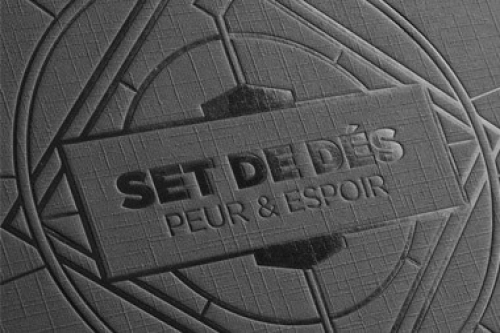
| Finishing | Foil placement, embossing, surface scratches |
| Closure | Magnet positioning, opening and closing performance |
| Insert | Product retention, clearance, removal convenience |
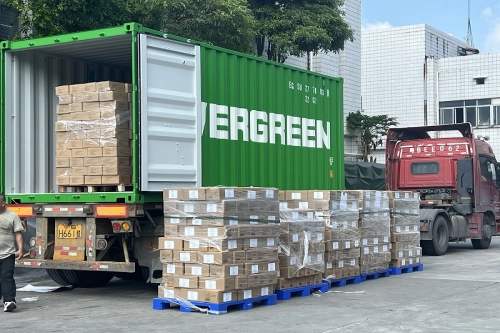
| Export Packing | Carton strength, protective arrangement, shipment preparation |
Inspection tolerances and acceptance limits should be established for each project. A requirement suitable for one box design may not apply to a different construction or finishing material.
5. Frequently Asked Questions
What causes rigid boxes to warp?
Common causes include uneven moisture exposure, adhesive imbalance, unsuitable board construction, and inadequate material conditioning.
Why do bubbles appear under rigid box wrapping paper?
Trapped air, uneven glue coverage, incorrect pressing conditions, or incompatible materials may cause bubbling or wrinkling.
Can a digital sample guarantee mass-production color consistency?
No. Digital and offset printing use different processes. When color accuracy is critical, a representative press proof or pre-production sample on the intended material is preferable.
How can magnetic box closure defects be prevented?
Confirm magnet positioning, polarity, fixing, and finished-box geometry during sampling. Closure performance should be checked after wrapping and assembly.
Does ISO 9001 certification guarantee defect-free packaging?
No. ISO 9001 concerns quality management systems. Actual product conformity still depends on suitable specifications, manufacturing controls, inspection, and corrective actions.
6. Final Recommendations: Prevent Quality Problems Before They Reach Your Brand
Most rigid box manufacturing defects are easier to address during design review, material selection, or sampling than after mass production.
Buyers should work with manufacturers that can explain the root causes of potential defects, provide appropriate production samples, document quality requirements, and communicate clearly when technical adjustments are necessary.
For premium packaging, manufacturing consistency matters as much as visual creativity.
Looking for a Reliable Custom Rigid Box Manufacturer?
DHP Factory supports international brands with custom rigid box development, material selection, structural engineering, printing, finishing, sampling, and production.
Send us your packaging drawings, product dimensions, target quantity, material preferences, and quality requirements. Our team can discuss manufacturing feasibility and suitable sampling options for your next project.