
Before Approving Your Luxury Packaging Sample: 10 Checks That Prevent Costly Production Mistakes
Your custom rigid box sample has arrived. The color looks attractive, the logo is beautifully finished, and the opening feels premium. Is it ready for mass production?
Not necessarily. A packaging sample can look excellent in photographs while still containing dimensional, structural, or assembly details that become problematic during commercial production.
For luxury perfume boxes, spirits packaging, jewelry presentation boxes, and multi-component gift sets, sample approval should be a controlled purchasing decision—not simply a visual confirmation.
This guide explains ten essential checks buyers should complete before approving a luxury packaging sample and how to document the agreed specifications for mass production.
1. Know Which Sample You Are Approving
Not every packaging sample serves the same purpose. Before signing off, buyers should establish which specifications the sample represents.
| Sample Type | Primary Purpose | Approval Limitation |
|---|---|---|
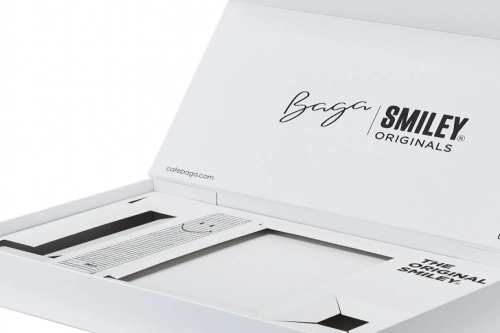
| White Structural Sample | Check dimensions, opening, construction, and product fit | Does not establish final print and finish quality |
| Printed Appearance Sample | Review artwork, colors, and visual design | May use materials or printing methods different from mass production |
| Pre-Production Sample | Confirm the agreed final structure, materials, finishes, and assembly | Does not replace production inspection or required transport tests |
DHP Factory's guide to custom rigid box sampling explains how structural prototypes, printed samples, and approval stages support packaging development.
Before authorizing production, make sure the final sample accurately represents the specifications your supplier has agreed to manufacture. Any remaining differences should be listed separately.
2. The 10 Essential Luxury Packaging Sample Approval Checks
Check 1: Finished Dimensions and Tolerances
Measure the internal and external dimensions using a suitable measuring tool. Compare the results with the approved technical drawing.
Confirm which dimensions are critical to the product fit and agree on acceptable manufacturing tolerances. There is no single tolerance suitable for every rigid box structure.
Check 2: Product Fit and Insert Stability
Place the actual product into the sample, preferably using a production-representative item rather than an approximate substitute.
Check whether the insert holds the product securely without excessive compression, whether the product can be removed comfortably, and whether the arrangement matches the intended presentation.
For fragile glass bottles, ceramic products, or delicate confectionery, product protection may require additional testing beyond a simple fit check.
Check 3: Opening and Closing Performance
Open and close the box repeatedly to evaluate lid alignment, hinge movement, drawer clearance, and magnetic closure performance where applicable.
Check whether the opening feels consistent, whether components rub against each other, and whether the lid remains correctly positioned.
Check 4: Structural Materials
Confirm the specified greyboard, wrapping paper, interior lining, adhesives, and other structural materials.
A visually similar material substitution can affect box rigidity, surface texture, durability, or final appearance. Material changes should be reviewed and approved before production.
Check 5: Printed Color and Artwork
Check the approved artwork revision, brand colors, text, legal information, and graphic positioning.
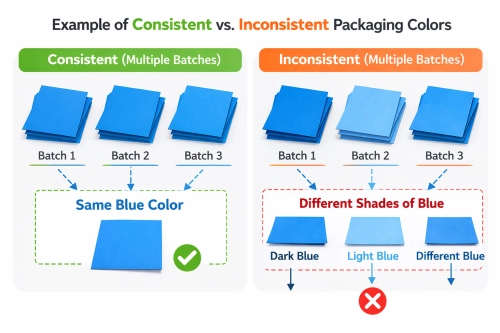
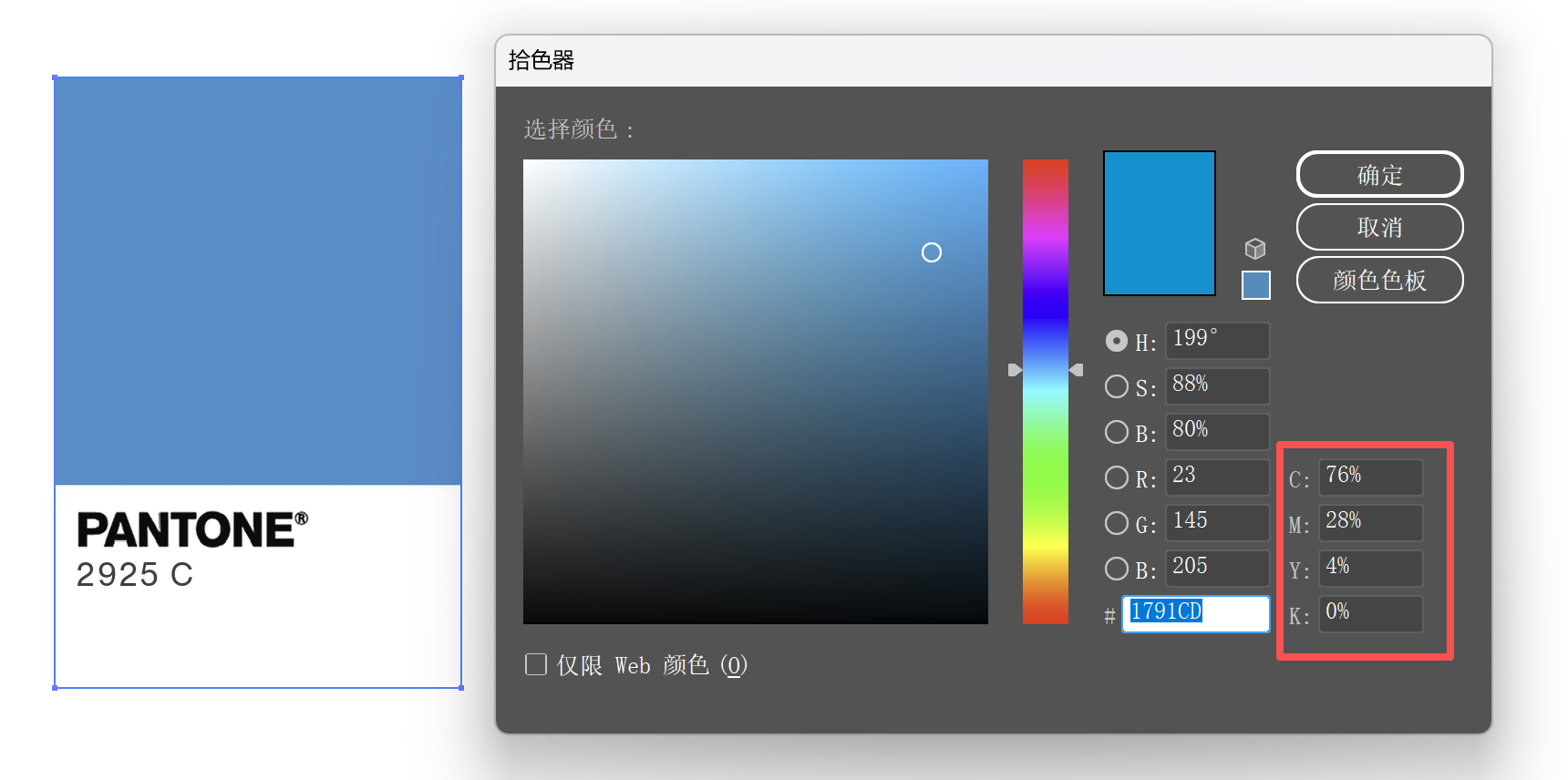
When color matching is critical, agree on the physical reference, printing method, paper substrate, and an appropriate color evaluation method.
A digital CMYK sample may not precisely represent the appearance of production offset printing. DHP Factory explains this in its guide to packaging color consistency.
Check 6: Foil Stamping, Embossing, and Surface Finishes
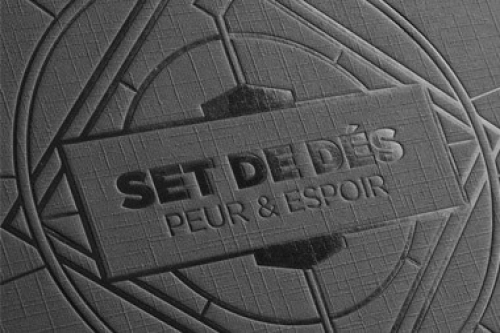
Inspect foil coverage, registration, embossing depth, debossing detail, lamination appearance, and any spot UV elements.
Pay attention to small logos, fine lettering, sharp edges, and finishing details close to folds or corners. Confirm the acceptable appearance using physical references rather than general descriptions such as "premium quality."
Check 7: Wrapped Corners and Edge Finishing
Look for lifting paper, exposed greyboard, bubbles, wrinkles, glue marks, uneven seams, and corner damage.
For high-end rigid boxes, these small details can strongly influence the customer's impression of workmanship.
Check 8: Accessories and Component Positioning
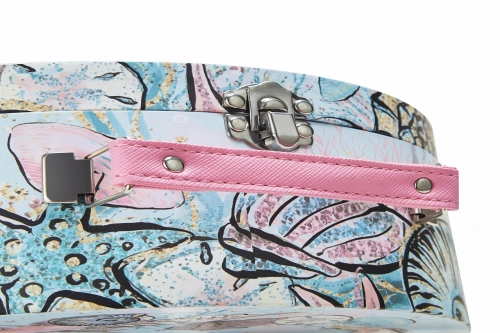
Confirm the placement and function of magnets, ribbons, handles, pull tabs, decorative hardware, and any additional components.
If several accessories must be assembled in a specific order, document their position and orientation so production teams have a reliable reference.
Check 9: Packing and Transportation Protection
Review how finished boxes will be packed for shipment. Consider individual protective bags, tissue or paper interleaving, carton configuration, and protection for delicate finishes.
Where necessary, agree on suitable transit testing and carton acceptance requirements before production.
Check 10: Final Artwork, Specifications, and Approved Sample Reference
Before issuing final approval, verify that all relevant files and specifications have matching revision numbers.
Identify exactly which physical sample is approved, which deviations remain open, and who has authority to approve any later changes.
Buyer Tip: Avoid approving a sample with comments such as "looks good" if important dimensions, material substitutions, or finish details are still unresolved. Record exactly what has been approved.
Need Help Reviewing a Custom Rigid Box Sample?
Share your packaging drawings, product dimensions, reference samples, and finishing requirements. DHP Factory can discuss the checks needed before your design moves toward commercial production.
Discuss Your Packaging Sample3. Additional Checks for Complex Luxury Packaging
Multi-step packaging structures require more than checking the appearance of the finished box.
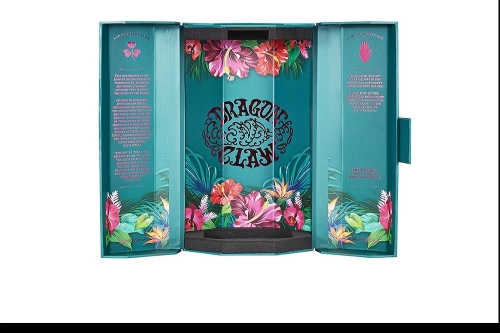
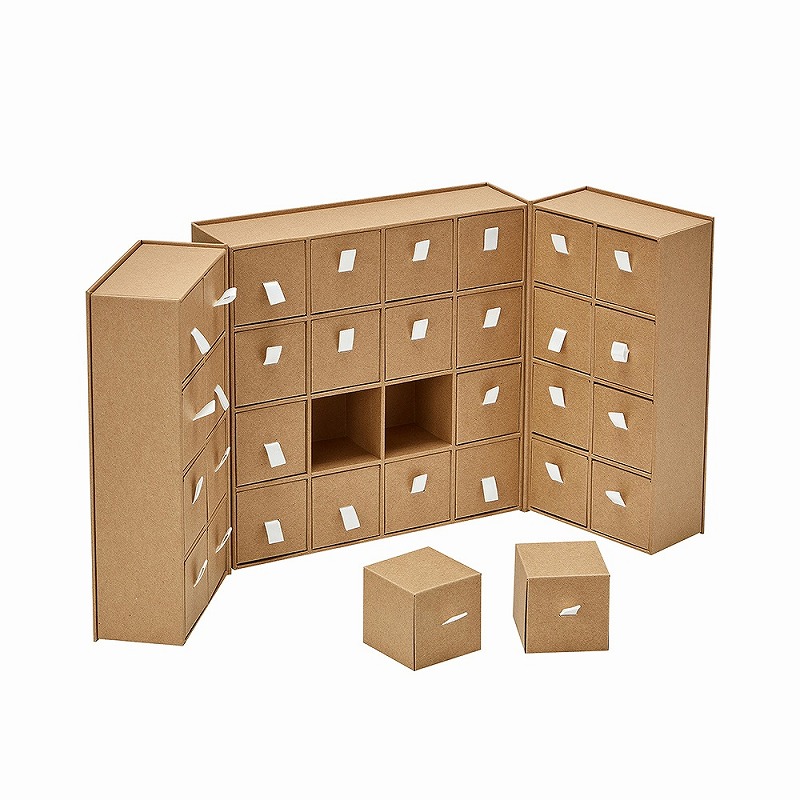
For double-door gift boxes, multi-compartment presentation sets, hinged structures, and boxes with multiple removable components, verify the complete opening and assembly sequence.
Important questions include whether the separate components fit correctly, whether accessories interfere with the opening mechanism, and whether the required assembly order has been documented.
Complex products should also be assessed for repeatability. A handmade sample may be carefully assembled by an experienced technician, but commercial production requires consistent instructions and realistic quality criteria.
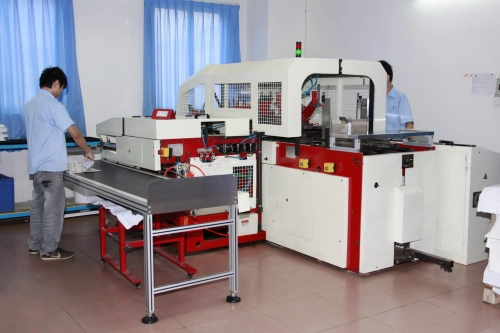
DHP Factory combines automated equipment with four standard handmade box production lines and two specialized lines for complex, multi-step packaging. The appropriate method depends on the approved design and production requirements.
4. What Should Be Recorded Before Final Sample Approval?
A structured approval record helps both the buyer and manufacturer understand which requirements must be reproduced during production.
| Approval Item | What to Record |
|---|---|
| Sample Identification | Sample version, date, photographs, physical reference |
| Structure | Approved drawing, dimensions, critical tolerances |
| Materials | Board, paper, inserts, accessories, coating specifications |
| Appearance | Artwork revision, color reference, finishing details |
| Performance | Product fit, opening function, applicable testing |
| Production Approval | Approved items, open conditions, responsible approver, date |
A physical reference and written specifications should be used together. A sample alone may not show acceptable variation, while a written specification alone may not fully communicate the intended appearance.
If a change is made after approval, both parties should assess its effect on cost, production schedule, technical requirements, and the need for another sample.
5. What Happens After the Sample Is Approved?
Sample approval establishes an important production reference, but it does not guarantee that every box in a commercial batch will match the sample without further controls.
Depending on the manufacturing process, appropriate checks may include incoming material inspection, first-article approval, in-process inspection, and final quality control.
Buyers and suppliers should agree in advance on relevant acceptance criteria, inspection methods, defect classifications, and any sampling plan used for mass production.
An AQL-based inspection plan, when specified, defines a sampling and acceptance procedure. It should not be interpreted as permission for every type of defect or as a guarantee that all units are defect-free.
The goal is to connect the approved sample with the actual production process so that expectations remain clear from first production to final shipment.
6. How DHP Factory Supports Luxury Packaging Sample Approval
DHP Factory develops custom rigid boxes for packaging applications including perfume, cosmetics, spirits, jewelry, chocolates, and premium gifts.
Our manufacturing capabilities include structural development, printing, surface finishing, automated processing, and skilled handmade assembly.
DHP Factory's published manufacturing workflow identifies the client-approved sample as a production reference, supported by in-process quality checks and final inspection.
For each custom project, the final approval requirements should reflect the actual structure, materials, brand expectations, and product protection needs.
Developing a Complex Luxury Packaging Project?
Send your product dimensions, structural references, artwork, and order quantity. Our team can discuss structural sampling, material selection, production feasibility, and the approval steps relevant to your design.
Request a Packaging Development Review7. Frequently Asked Questions
Can I approve a custom rigid box sample using photographs only?
Photographs can help confirm visual details, but physical samples are particularly useful for checking dimensions, product fit, opening performance, and surface feel. The required approval method should reflect project risk.
Does approving a white sample authorize mass production?
Not usually. A white sample primarily establishes structural details. Final artwork, materials, printing, finishing, and production conditions may still require separate approval.
What if the printed sample color differs from the final offset print?
The parties should establish a suitable production color reference and review the difference before approval. A digital appearance sample should not automatically be treated as an exact offset printing standard.
Should the actual product be tested inside the packaging sample?
Yes, where practical. Using a production-representative product helps evaluate fit, access, presentation, and potential movement. Fragile products may need additional protection testing.
Can I make changes after approving the sample?
Changes may be possible, but they can affect tooling, materials, cost, timing, and production consistency. The manufacturer should review and document them before implementation.
Does sample approval eliminate the need for mass-production inspection?
No. Material inspections, production checks, and final quality controls remain important for evaluating whether commercial production follows the approved specifications.
Ready to Turn Your Luxury Packaging Sample Into a Production-Ready Design?
A successful packaging project begins with clear specifications, suitable materials, practical structural design, and an approval process that supports consistent manufacturing.
DHP Factory combines structural development, automated manufacturing, and specialized handmade assembly for custom rigid packaging projects.
Share your box design, product dimensions, finishing requirements, target quantity, and any existing samples. Our team can discuss the appropriate next steps before mass production.
Discuss Your Luxury Packaging Project