
Does Paper Packaging Need RoHS Testing? What EU Buyers Should Know in 2026
When sourcing custom packaging from China, European buyers often request compliance documents before approving a supplier. These may include RoHS test reports, REACH declarations, heavy metal testing results, and food-contact documentation.
But does a luxury rigid paper box actually need to be RoHS certified? And can a RoHS report prove that packaging complies with European Union regulations?
The answer is more complicated than a simple yes or no.
For standard paper packaging, RoHS is generally not the directly applicable legislation. However, chemical safety remains important, especially under the EU Packaging and Packaging Waste Regulation (PPWR), REACH, and relevant food-contact rules.
In this guide, DHP Factory explains how buyers can distinguish these requirements and request meaningful compliance documents for custom rigid boxes, printed packaging, and paperboard components.
1. What Is RoHS Testing?
RoHS stands for Restriction of Hazardous Substances. Directive 2011/65/EU restricts certain hazardous substances in electrical and electronic equipment placed on the EU market.
It covers ten restricted substances, including lead, cadmium, mercury, hexavalent chromium, certain brominated flame retardants, and four specified phthalates.
RoHS testing is commonly used to assess whether tested materials or components meet specified substance limits.
However, a laboratory test report is not necessarily the same as a legal declaration of conformity, and the applicable requirements depend on the product.
Key point: A RoHS test report demonstrates results for the specific substances and materials tested. It does not automatically establish compliance with every EU packaging regulation.
2. Does Paper Packaging Need RoHS Compliance?
Ordinary paper packaging is generally outside the direct scope of the EU RoHS Directive.
This includes typical rigid gift boxes, printed folding cartons, paper shopping bags, and decorative outer packaging that do not themselves qualify as electrical or electronic equipment.
So why do some international buyers still request RoHS reports from paper packaging manufacturers?
A customer may use RoHS testing as part of its internal restricted-substances program, particularly when packaging accompanies electronics or when brand-level supplier standards go beyond statutory requirements.
In these situations, the appropriate question is not simply whether the box is "RoHS certified," but which materials and restricted substances the customer wants evaluated.
Examples of Materials to Review
Greyboard and specialty wrapping papers.
Printed paperboard and decorative inks.
Foil-stamped or metallic decorative elements.
Adhesives, coatings, and surface finishes.
Plastic windows, foam inserts, or other accessory components.
If the packaging incorporates an electronic module, such as an integrated powered display or another electrical function, that component and the finished product's regulatory classification may require additional assessment.
3. PPWR 2026: Heavy Metal Restrictions for Packaging
The EU Packaging and Packaging Waste Regulation, Regulation (EU) 2025/40, became generally applicable on August 12, 2026.
Unlike RoHS, the PPWR directly addresses packaging placed on the EU market, including paper and paperboard packaging.
Under Article 5(4), the combined concentration of four specified heavy metals in packaging or packaging components must generally not exceed 100 mg/kg by weight, subject to applicable exceptions.
PPWR — Combined Heavy Metal Limit
100 mg/kg
Lead (Pb) + Cadmium (Cd) + Mercury (Hg) + Hexavalent Chromium (Cr VI)
This is a combined limit, not an independent 100 mg/kg allowance for each substance.
Depending on material composition and the evidence already available, a packaging manufacturer may use supplier declarations, material specifications, test reports, and other relevant technical documentation to support its compliance assessment.
A single RoHS report does not necessarily establish compliance with all PPWR obligations, which extend beyond restricted substances.
4. What About REACH Compliance for Paper Packaging?
REACH is the EU regulation concerning the registration, evaluation, authorization, and restriction of chemicals.
For packaging buyers, relevant REACH obligations may include restrictions on particular substances and communication duties relating to substances of very high concern, known as SVHCs.
Under Article 33, information duties can arise when an article contains a Candidate List SVHC above 0.1% by weight.
Certain EU suppliers of articles may also have SCIP notification obligations when the applicable concentration threshold is exceeded.
Buyers should therefore request material-specific information rather than relying on a vague statement that every paper box is "REACH approved."
The correct assessment depends on the packaging components, chemical substances involved, applicable restrictions, and the most recent Candidate List.
Need to Review Your Packaging Material Requirements?
Share your packaging structure, materials, target market, and required chemical testing standards. DHP Factory can help identify available supplier documentation and discuss project-specific testing requirements.
Discuss Packaging Compliance Requirements5. RoHS Is Not a Food-Contact Safety Certificate
This distinction is especially important for chocolate, confectionery, bakery products, and other food packaging.
EU Regulation (EC) No 1935/2004 establishes general safety requirements for materials intended to come into contact with food.
Such materials must not transfer constituents to food in amounts that could endanger health or cause unacceptable changes to its composition, taste, or odor.
Food-contact applications also require consideration of relevant good manufacturing practices and applicable EU or national material-specific rules.
Direct-Contact vs. Secondary Packaging
A decorative rigid chocolate gift box containing individually wrapped chocolates has a different exposure profile from a paper tray intended to touch unwrapped chocolate directly.
However, the actual intended use and potential transfer of substances must be considered. Simply calling a package "secondary packaging" does not automatically eliminate every relevant safety assessment.
PPWR Restrictions on PFAS
Since August 12, 2026, the PPWR has also restricted PFAS in food-contact packaging above specified concentration limits.
Brands considering grease-resistant coatings, barriers, and other functional treatments should verify whether their materials meet the applicable restrictions.
A RoHS report cannot replace food-contact documentation or PFAS-related evidence where those requirements apply.
6. RoHS vs. REACH vs. PPWR: What Is the Difference?
| Regulation | Main Scope | Packaging Relevance | Possible Evidence |
|---|---|---|---|
| RoHS | Restricted substances in electrical and electronic equipment | Ordinary paper packaging generally outside direct scope | Customer-requested material test report, if relevant |
| REACH | Chemical restrictions and substance information duties | May apply to substances in packaging materials and articles | Declarations, substance data, relevant testing |
| PPWR | Packaging and packaging waste requirements | Directly relevant to packaging placed on the EU market | Technical documentation, applicable declarations, material evidence |
| Food-Contact Rules | Safety of materials intended for food contact | Relevant when packaging contacts food or may transfer constituents to food | Material-specific compliance and safety evidence |
These requirements are not interchangeable. The correct compliance package should be based on the product, its components, intended use, and destination market.
7. What Compliance Documents Should EU Packaging Buyers Request?
Before requesting every available test report, buyers should identify the documents that are actually relevant to their packaging.
Material specifications: Identify the paperboard, wrapping paper, inks, adhesives, coatings, and inserts.
Restricted-substance evidence: Request suitable declarations or test results for the substances relevant to the intended market.
PPWR documentation: Confirm applicable packaging requirements and the technical information needed by the responsible economic operator.
REACH information: Review applicable restrictions and SVHC information for relevant components.
Food-contact evidence: Request appropriate documentation when the packaging is intended to contact food.
Traceable test reports: Check the laboratory, report date, sample identification, test methods, and scope.
How to Check Whether a Report Is Relevant
A report for unprinted white paperboard may not cover a finished box containing printed surfaces, specialty foils, coatings, plastic windows, and foam inserts.
Buyers should check whether the tested sample matches the materials and components used in the actual order.
Where the materials differ, additional documentation or testing may be needed.
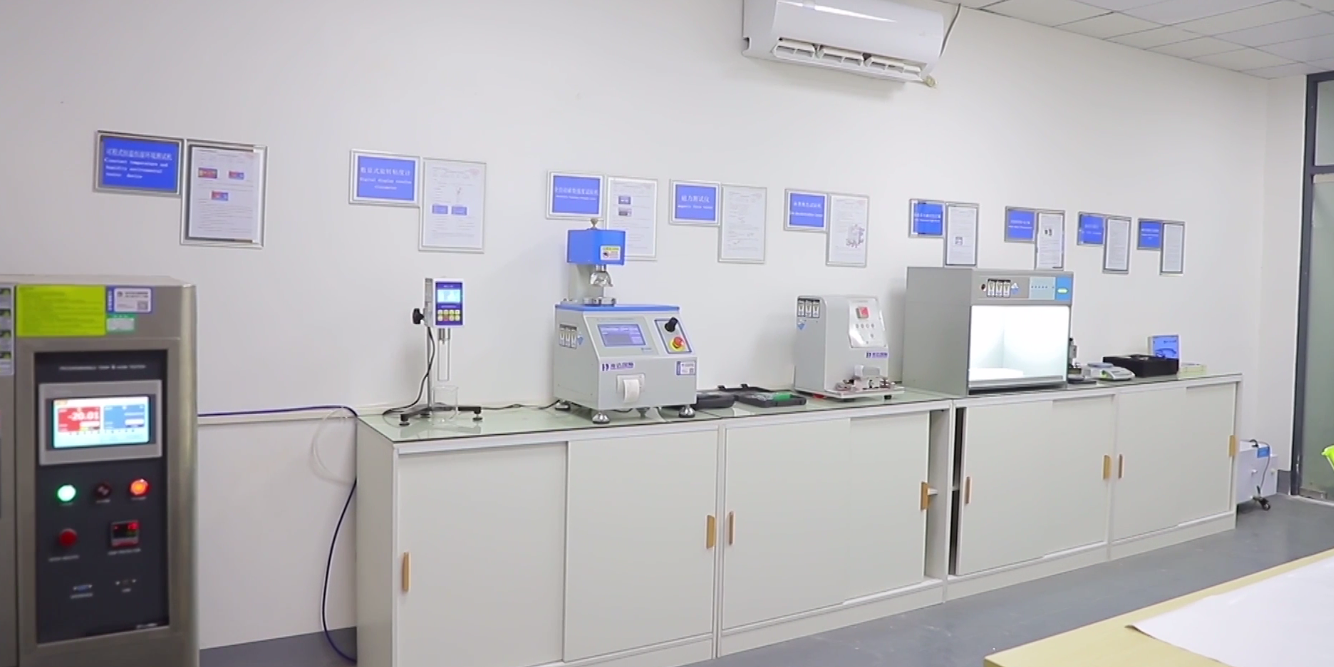
Need Material Testing Before Mass Production?
Let us know which regulations or laboratory tests your purchasing team requires. DHP Factory can review available material documentation and discuss suitable testing arrangements for your packaging project.
Request a Material Compliance Review8. How DHP Factory Supports Packaging Compliance Reviews
For brands purchasing custom paper packaging, supplier documentation is part of a broader material selection and quality assurance process.
DHP Factory manufactures custom rigid boxes, printed paperboard packaging, and related paper packaging components for international markets.
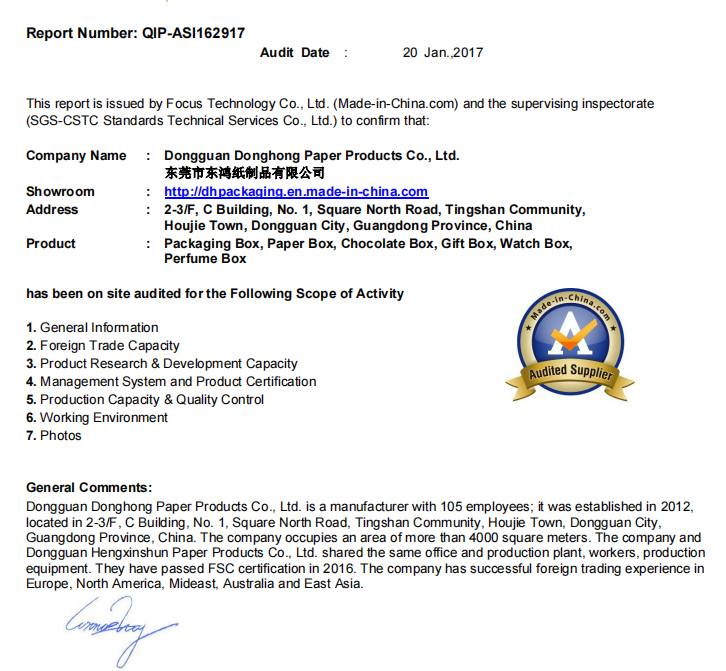
Our Certificates & Compliance page presents quality management, responsible sourcing, and material compliance information, including RoHS / REACH-related documentation.
For individual orders, the applicable documentation should be reviewed against the actual material specification, product construction, and customer requirements.
A luxury packaging project may combine several materials. Greyboard, printed wrapping paper, metallic foils, adhesives, magnets, and internal trays may require different evaluations.
Our team can discuss suitable materials and help coordinate requests for available supplier information or project-specific testing, subject to confirmation of the required scope.
Explore our custom rigid box manufacturing solutions when developing premium packaging for European markets.
9. Frequently Asked Questions
Is RoHS mandatory for ordinary paper packaging?
Generally, no. RoHS directly regulates electrical and electronic equipment, not ordinary paper packaging. Buyers may still request RoHS-related testing under their own supplier requirements.
Does a RoHS test report prove PPWR compliance?
No. Although some substances overlap, PPWR covers additional packaging requirements. A RoHS test report alone does not establish full PPWR compliance.
What is the heavy metal limit under the EU PPWR?
The combined concentration of lead, cadmium, mercury, and hexavalent chromium must generally not exceed 100 mg/kg in packaging or packaging components, subject to applicable exceptions.
Does FSC certification replace chemical testing?
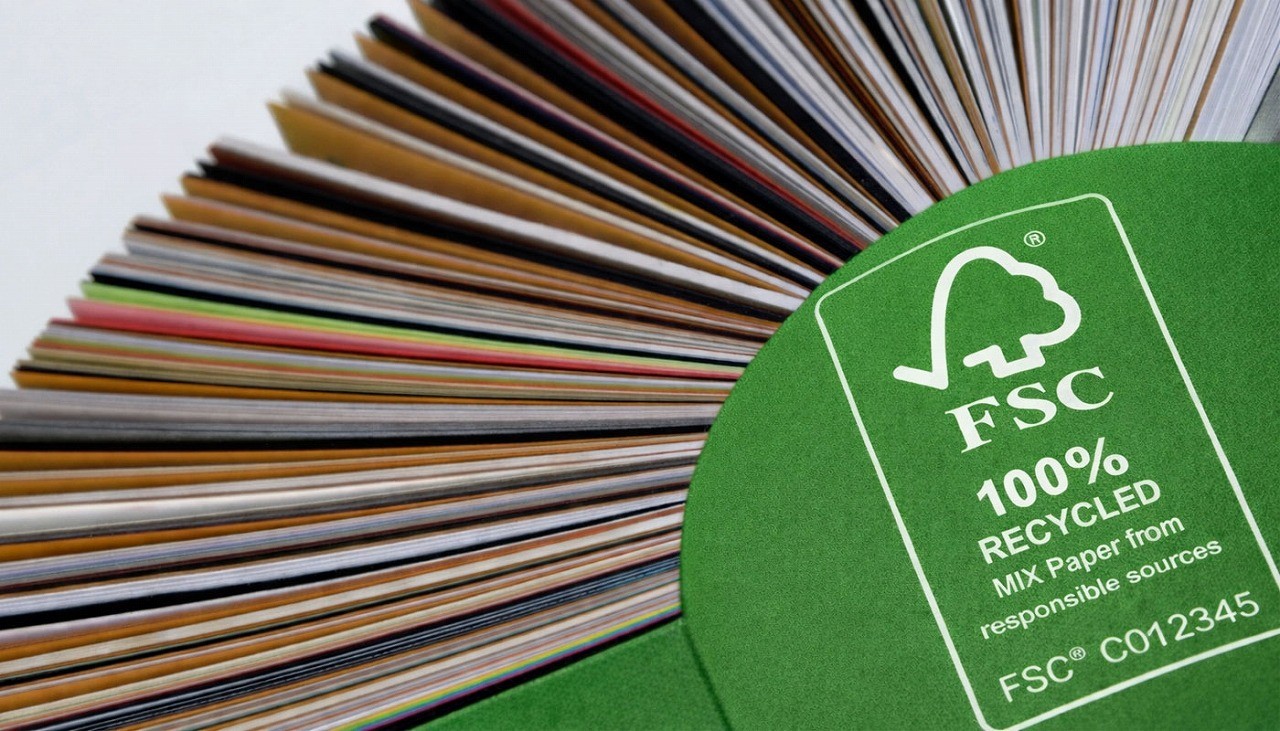
No. FSC certification addresses forest-related sourcing and chain-of-custody requirements within its applicable scope. It does not replace chemical safety testing or regulatory conformity assessments.
Can RoHS-tested paperboard be used for direct food contact?
Not automatically. Direct food-contact applications require separate assessment under relevant food-contact regulations and material-specific rules.
Should buyers test every packaging component?
Testing needs depend on material composition, existing evidence, risk, customer specifications, and the applicable legal requirements. A documented, risk-based approach is generally more useful than requesting unrelated tests.
Developing Custom Packaging for the European Market?
Choosing a packaging manufacturer involves more than checking the box design and quotation. Material safety, regulatory requirements, and appropriate technical documentation also matter.
DHP Factory works with international brands developing custom rigid boxes, luxury presentation packaging, and paperboard packaging solutions.
Send us your packaging structure, material specifications, destination market, and required testing standards. Our team can review available documentation and discuss appropriate next steps before production.
Discuss Your Packaging Compliance Requirements